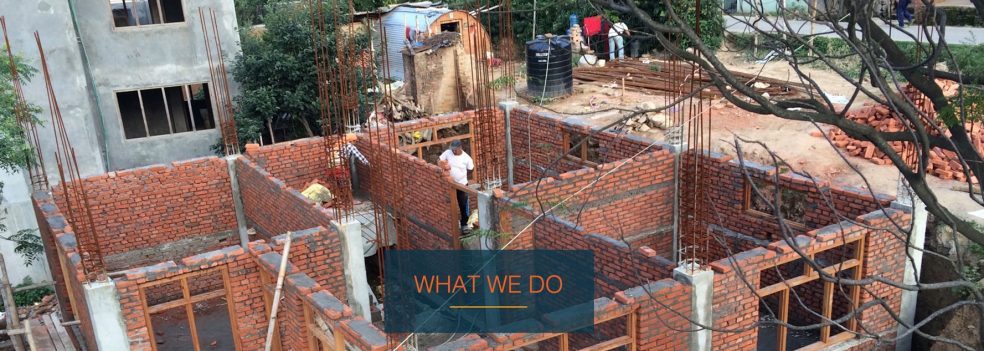
Hello Shelter People,
A long and windy road of internet surfing for camper van inspiration brought me here. I just bought four of your books from your website. I have three others on loan from the library, along with another one I bought used. Your books are so much fun to look at, then read, and then reread.
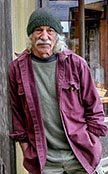
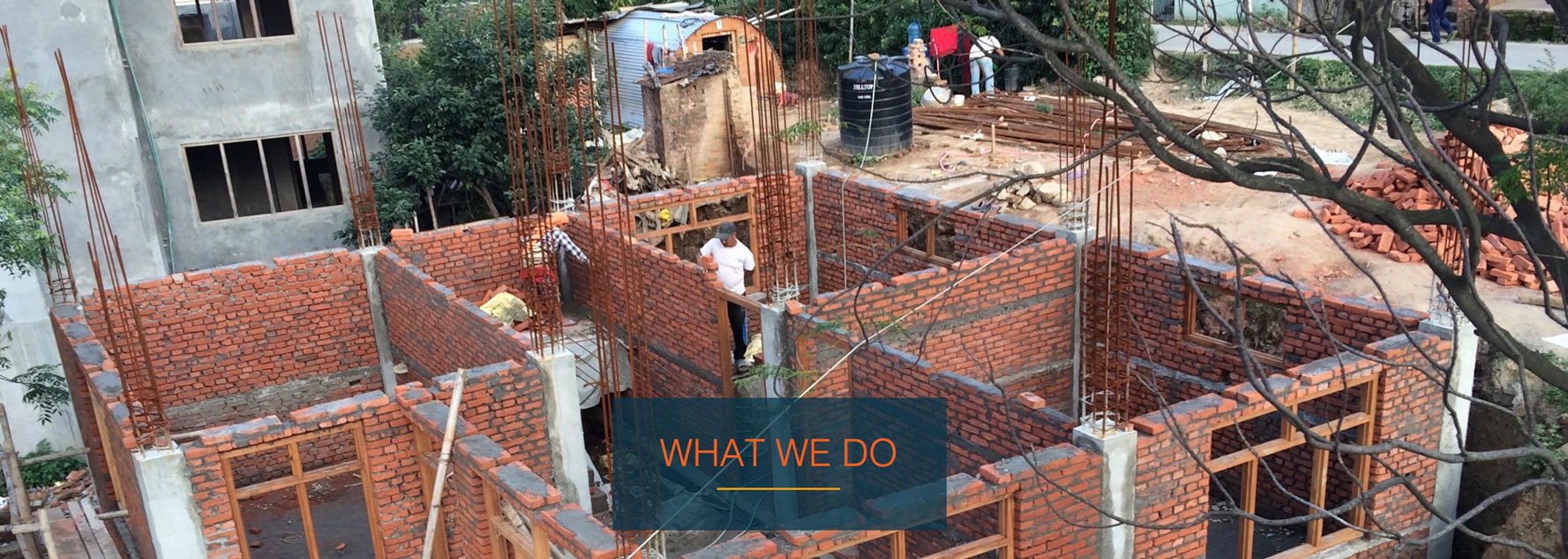
I got to thinking that you might like to read about my friend, Jon Ross, and his non-profit that helps survivors of disaster rebuild their homes and/or livelihood. He usually goes to really remote places where large NGOs never go. He finds people in dire straights no one else would help. At the same time the people he finds are those who will aid in their own recovery. I am so inspired by him. I thought I’d share his work with you all.
Micro Aid International
Thank you for all the inspiration!
Sincerely,
–Anna Donlin

 This is 10′ by 10′. Rafters made of four 1″ by 4″ by ⅜″ redwood bender board, 16′ long, bent, glued and clamped together. Roof sheathing is 1 × 6 redwood fence boards from Home Depot. Siding is ⅜″ rough-sawn exterior DF plywood. Eventually I’ll panel the inside with used fence boards. Flooring is used yellow pine T&G from Heritage Salvage in Petaluma. Windows (used) from Urban Ore in Berkeley.
Billy Cummings has done most of the work here, including cutting and fitting double-wall polycarbonate greenhouse glazing under the curved eaves.
Next step is to build a sliding door for one half of the end wall shown here so a bed can be rolled out onto the deck for nighttime star gazing. Jay Nelson built a sliding door for his shop that gave me the idea.
Note: A curved roof is infinitely more time-consuming (In many ways) as compared with, say, a shed roof or a gable roof. BUT the space underneath is wonderful and something I highly recommend for tiny homes. If you take the time to build a roof like this, it will give you a feeling of spaciousness and avoid the claustrophobia of small spaces. Curved roofs are the secret to the good feeling in Gypsy wagons (vardos).
Hey, I’m starting to get the hang of doing layout in WordPress — a lot more options than Blogger.

This was on a back road to Petaluma from the coast. They were selling chicken eggs and duck eggs. The gambrel roof shape is like taking a gable roof and lifting it up in the middle of each side. It makes for a lot more usable space. That’s why a lot of barns have gambrel roofs. This little building looks like a a Tuff Shed — prefab buildings that get erected in one day.

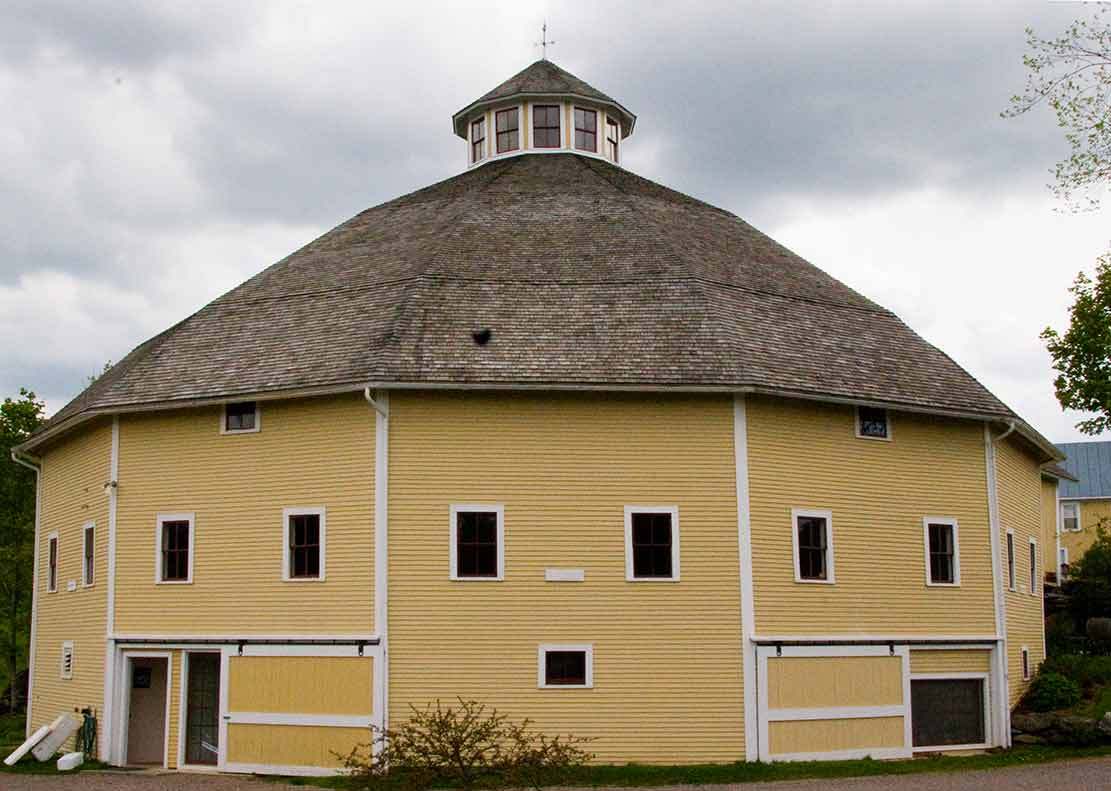
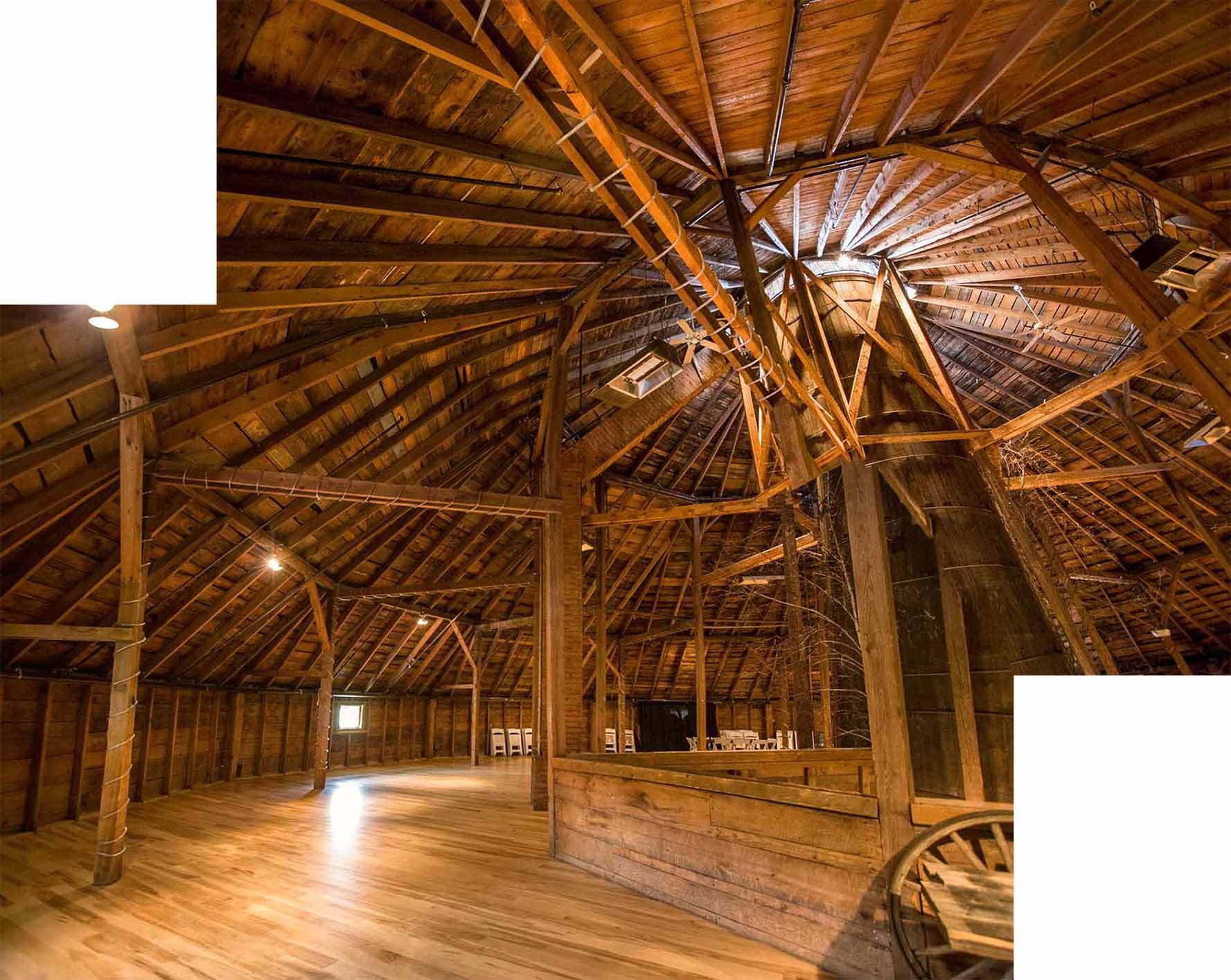
One of those buildings that just took my breath away. Talk abut cathedrals…
Collage of 2 photos; taken in 2005…

I’m discovering all kinds of photos as I look through (just) my digital archives — some 90,000 photos. Buildings that never got published. I’m going to do more regular blog posts for a while. Fun! Discovering hidden gems.
This is a wheelchair-accessible treehouse for students at the Yestermorrow Design-Build School in the Green Mountains, Vermont, designed that by rarity — a good architect — John Connell. I shot it in a visit to Dave Sellers, John and other Vermonter builders in Warren, Vermont, in 2005.
I got a ton of great photos in just a few days there. More to come.
Check out the timber framing and other courses at yestermorrow.

Shelter publications published its first book in 1970 — 48 years ago. In that amount of time, we have published about 50 books — about one per year. It seems to take us forever to do each book, but what we’ve learned is that when we put in the time and money to do books this way, they tend to have a long shelf life.
These are our seven building books, starting with Shelter in 1973. Each of these has over 1000 photographs and is densely packed with information. They form a body of work, and I’m pretty proud of them.
In a way, this is the end of an era for us. I’m going to a different format with our next two or three books: smaller size, larger and less photographs, less text.
Shameless Commerce Department: They are all available at www.shelterpub.com, with free shipping and a 30% discount for three or more books. Stores get a 50% discount (plus shipping charges) for bulk orders.

This is my favorite home in the world. Built by Lloyd House and featured in Builders of the Pacific Coast, it’s on a small island in British Columbia. When I first saw it, it took my breath away. It was just perfect. The materials, the size, the shape, the way it fit into the environment as if it had grown there.
Funny thing: After 40+ years photographing builders and their buildings, I meet the builder of my dreams, and his name is Lloyd — House!
Even though we seldom see each other, we’re good friends. He’s built dozens of wonderful buildings in his career — most of them shown in the above book.
BTW, this is my favorite of all seven of our building books. It’s a story, an odyssey, from start to finish, hanging out with these wonderful people in British Columbia and documenting their unique creations. My intent was to take the reader along, riding shotgun, in my excursions to this land of wood and water.

With this new blog format, I’m opening up random folders of photos and posting ones I like. This was shot on the outskirts of Telluride in 2003 when I went there to do a presentation at a Bioneers conference. I’m trying to do a post every week day.
BTW, I’ve been using Google Photos, which automatically downloads all my digital photos in one backup folder. Right now there are over 90,000 of my photos in storage. It’s an amazing system. You pay a small amount for storage. I can then go in and search for “barns” and it will come up with all the barn photos. I used it in my driftwood book: typed in “beach,” and it came up with hundreds of of beach photos, many of which I would not have found otherwise.
Wikipedia: “…The service automatically analyzes photos, identifying various visual features and subjects. Users can search for anything in photos, with the service returning results from three major categories: People, Places, and Things. Google Photos recognizes faces, grouping similar ones together; geographic landmarks (such as the Eiffel Tower); and subject matter, including birthdays, buildings, animals, food, and more.…”