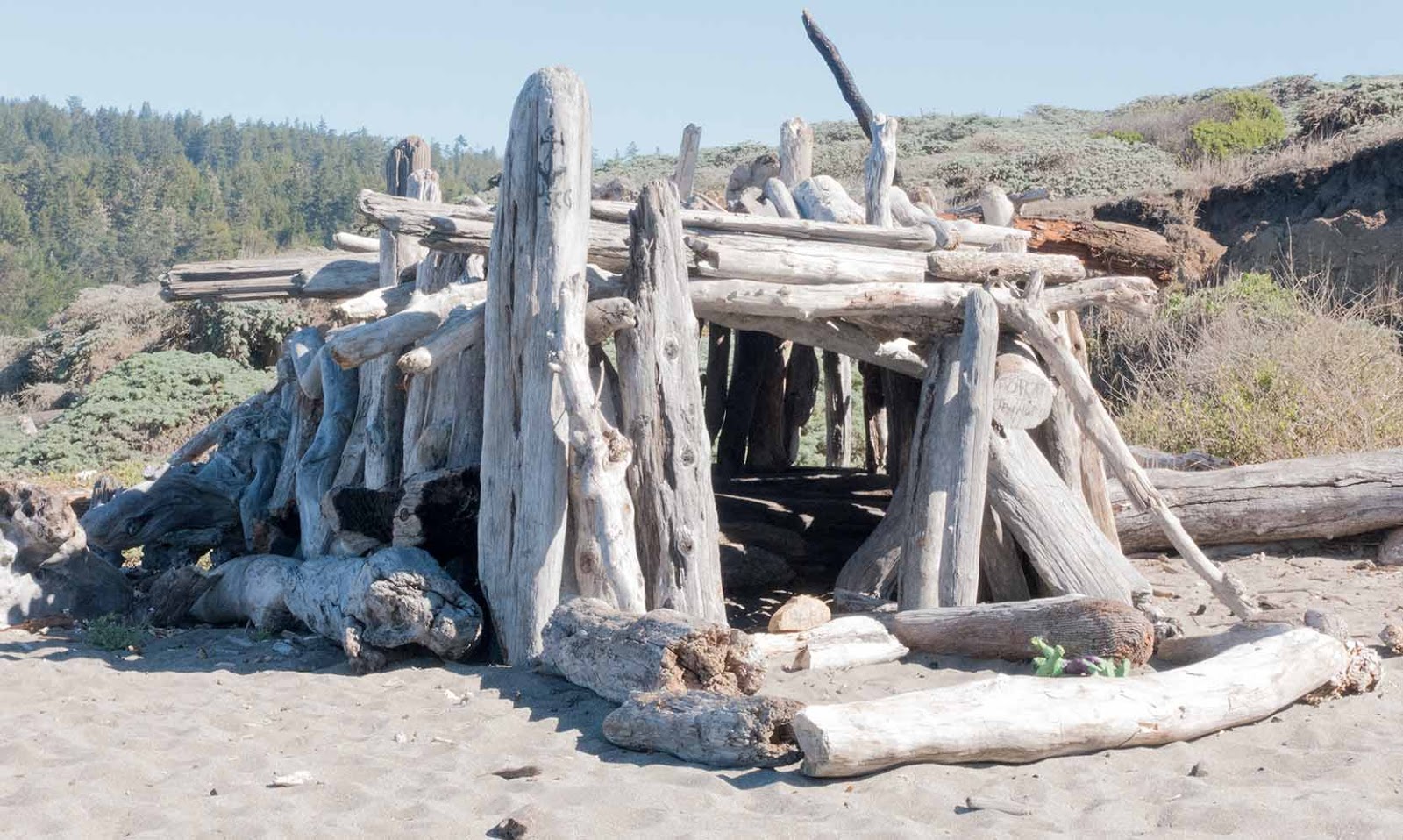
In keeping with the Brotherhood of Beach Builders: no nails.


In keeping with the Brotherhood of Beach Builders: no nails.
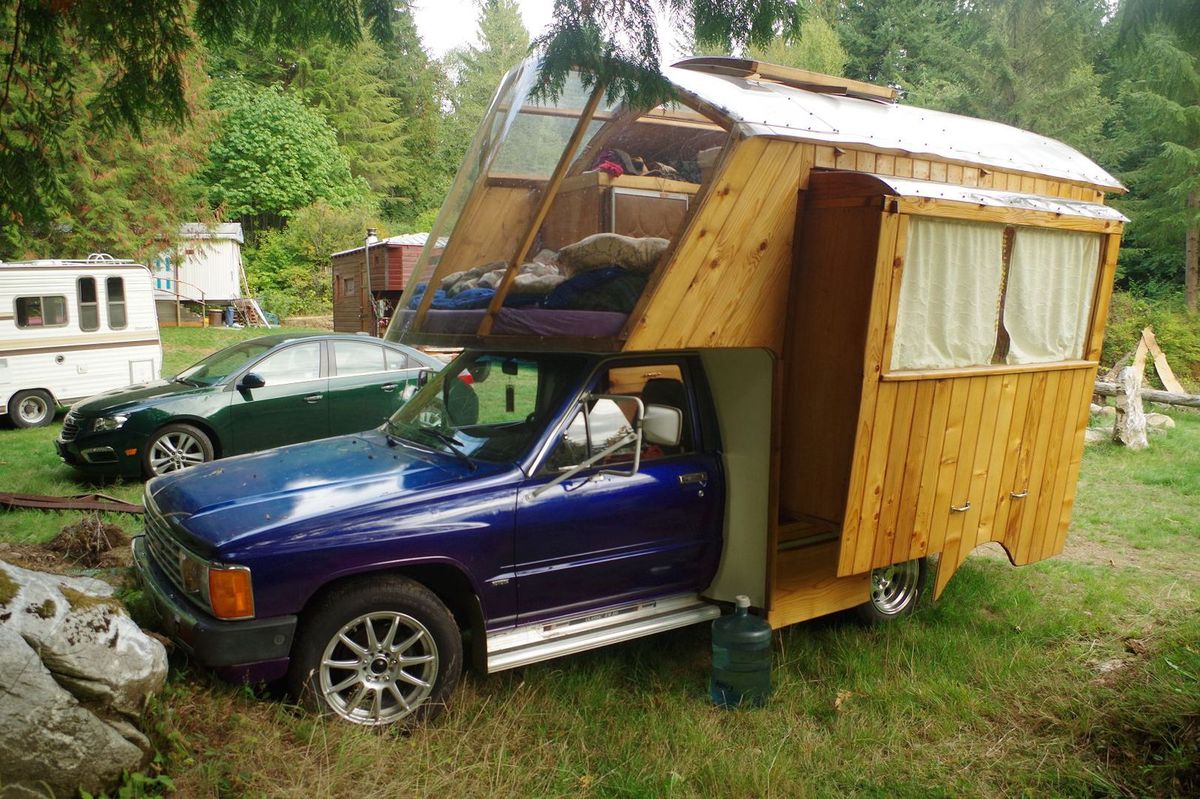 French carpenter Yogan and his friend Menthe have made their way up the coast to SunRay Kelley’s compound in Washington and say:
“SunRay make a new crazy project , we work with him, very cool…”
Above: Yogan’s photo of SunRay’s solar/bio=fuel powered diesel truck
More on Yogan’s trip: https://yogan.over-blog.com/
Yogan started his trip here a month ago; read about it here: https://www.lloydkahn.com/2015/09/04/yogan-carpenters-pacific-coast-journey_4/
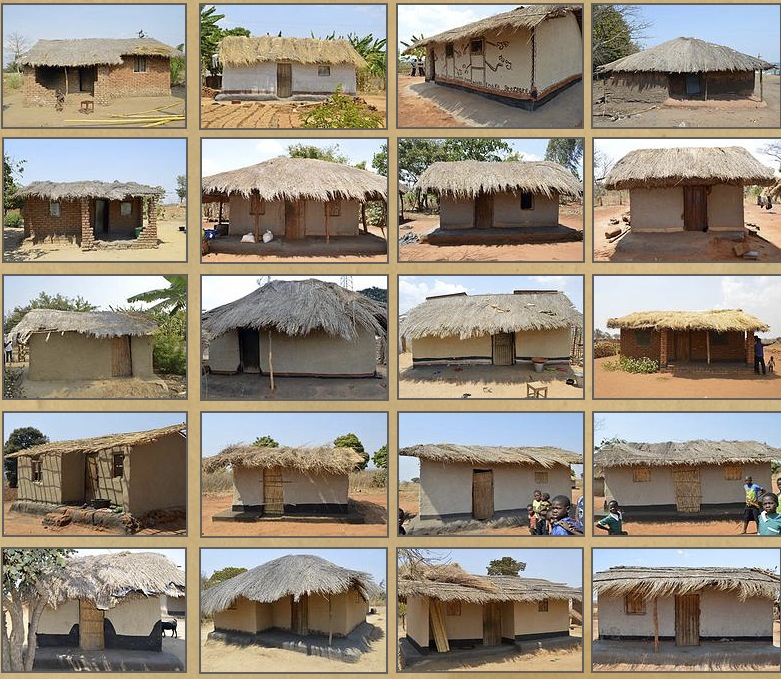
Thanks to E. Johansson for this wonderful website.
“I am a registered architect with a passion for African vernacular architecture. I wish to connect with others with similar interests to preserve African vernacular architecture before it vanishes. The overall goal is a database, which currently does not exist online for most African countries.”
 Jon (Twingi) Sojkowski Jon (Twingi) Sojkowski
|
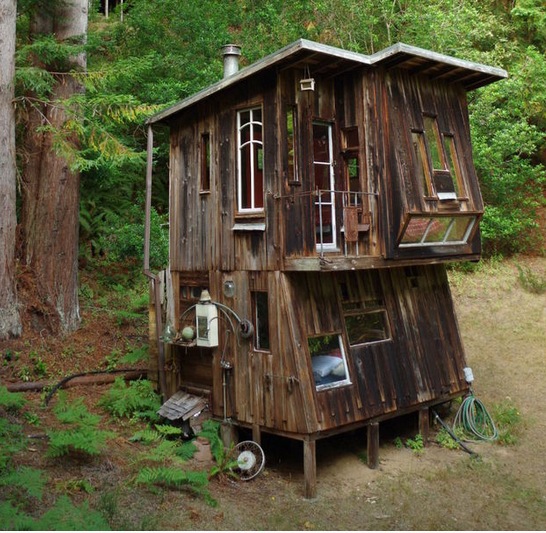 Yogan came to California from France and is exploring (and working wherever he stays) along the Pacific west coast this fall. I dropped him off in Pt. Arena (Calif.) 2 weeks ago and as he makes his way northward, he is shooting photos and posting them on his blog:
His website: https://www.yogancharpentier.com/
This photo from The Salmon Creek Farm in Mendocino County
He’s now heading up to visit SunRay Kelley in Washington.
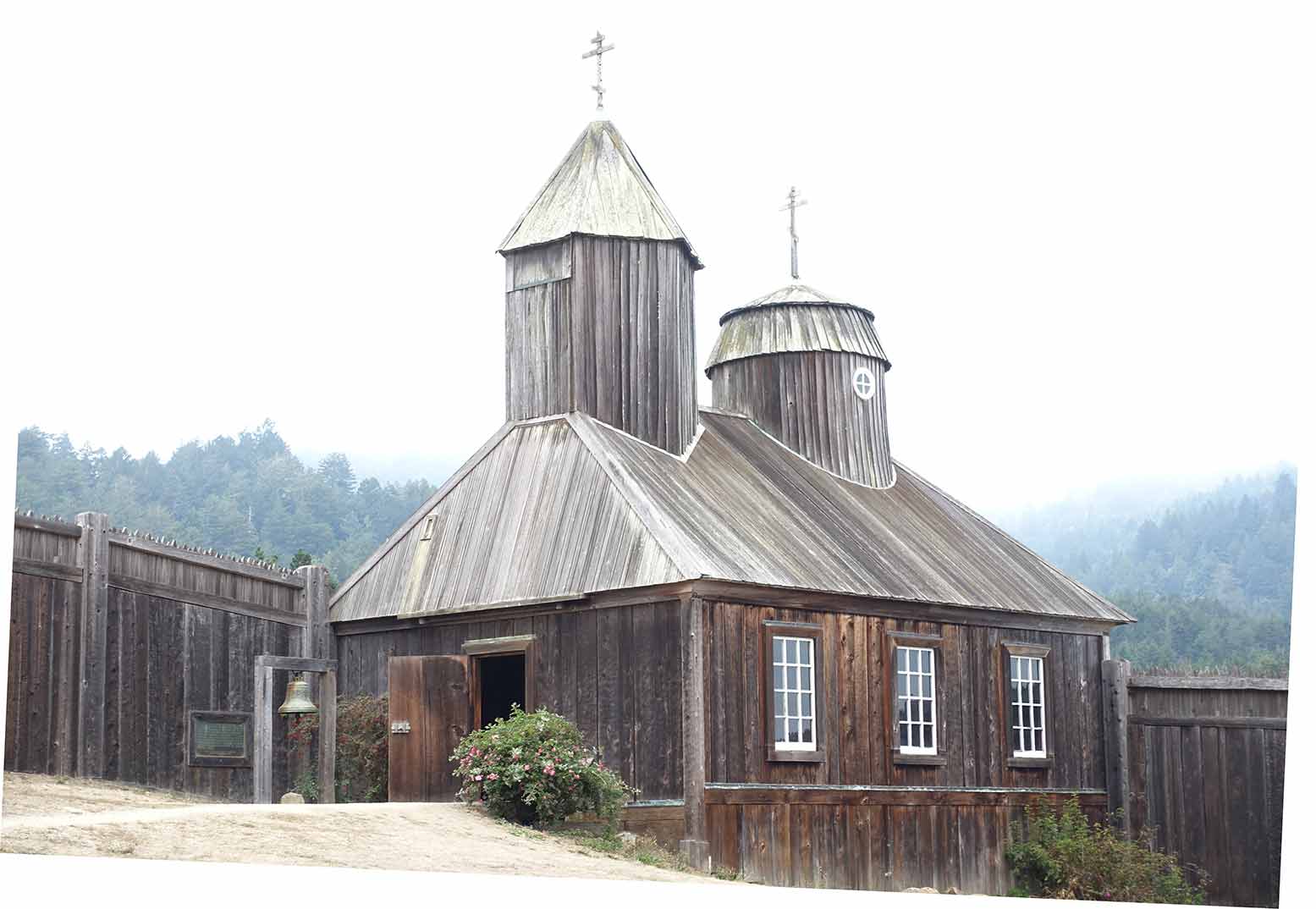 Last week Yogan and I spent an hour exploring the Fort Ross State Historic Park, a masterful re-creation of the Russian Fort built on the Northern California coast in 1812. The Russians brought down Native Alaskan hunters who speared sea otters from seal skin kayaks. Most of the hunters came from the Kodiak Islands and their kayaks, spears, and hunting techniques were extraordinary (more on this later).
If you are ever driving up the Northern California coast, I highly recommend going to this site.
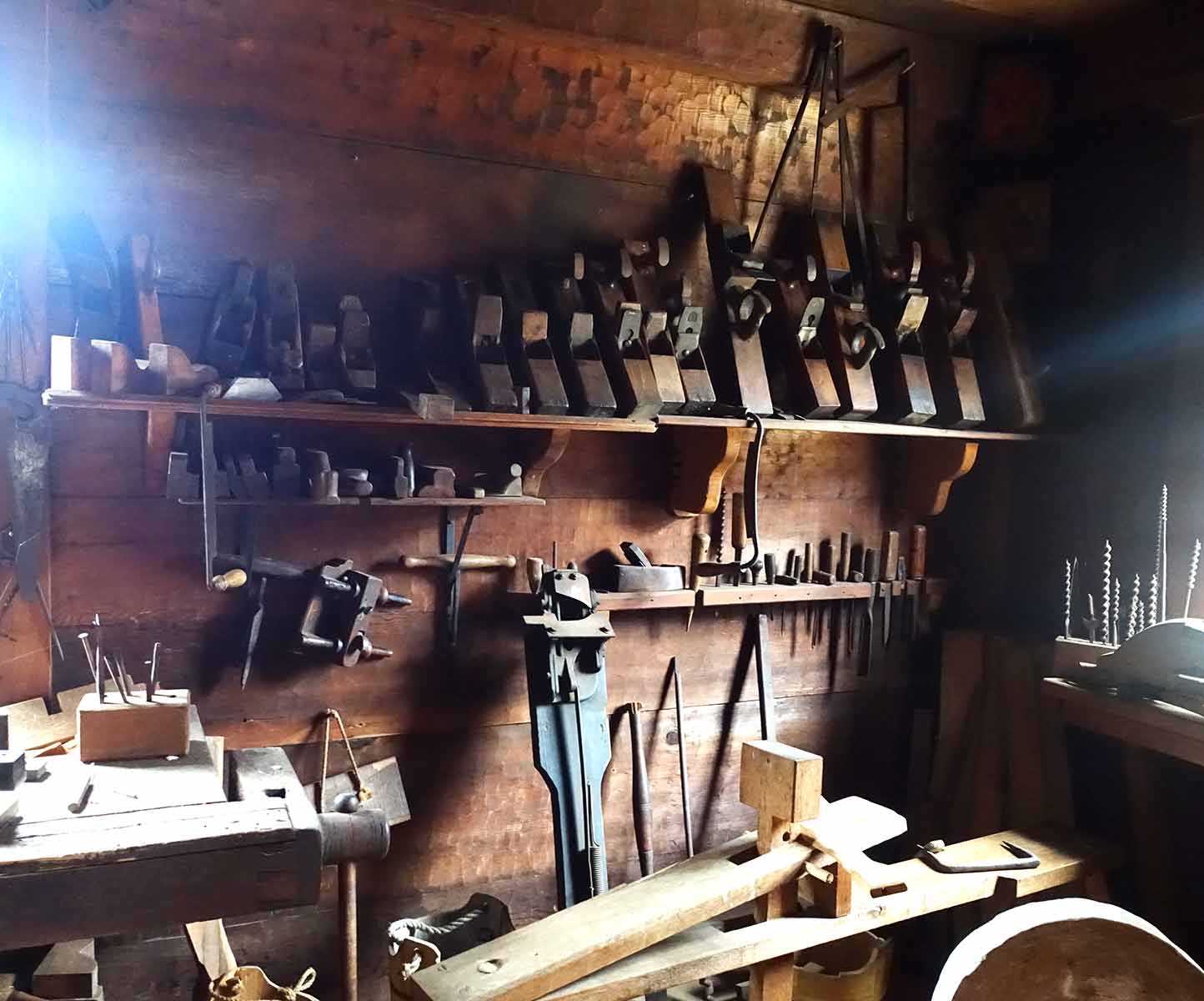
Here is the chapel (star of the show), metal shop, and wood shop. Roofing on these buildings consisted of 2 layers of long planks, laid with the cracks in the top layer over the centers of the under layer.

 Hello Lloyd,
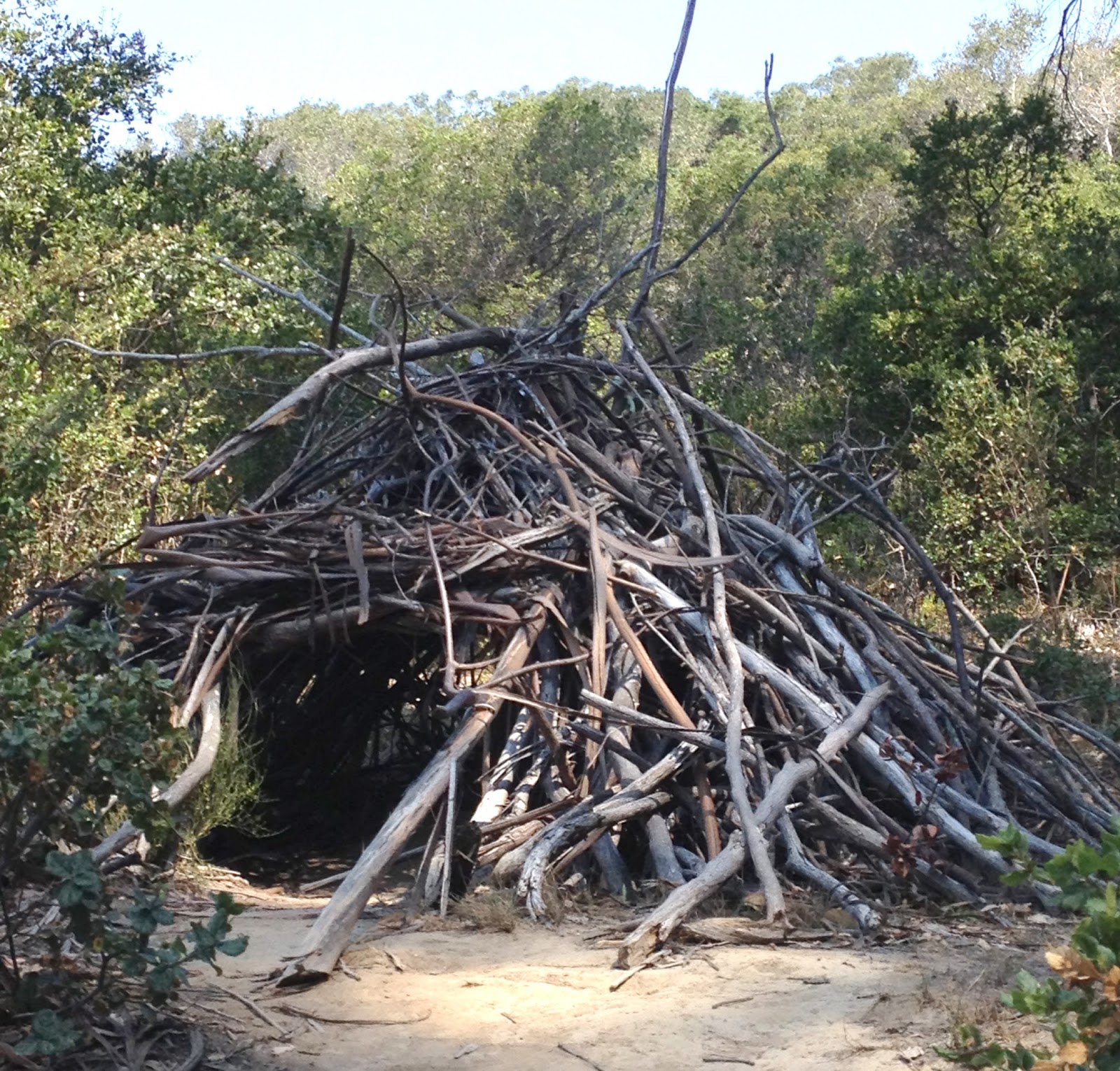
Last Sunday I was walking with my wife and dog (legal doggie trail) in the Marin Headlands and came across this fun looking shelter. You’ve may have already seen it but it caught my eye amongst the trees.
Regards,
Dan (Pingaro)
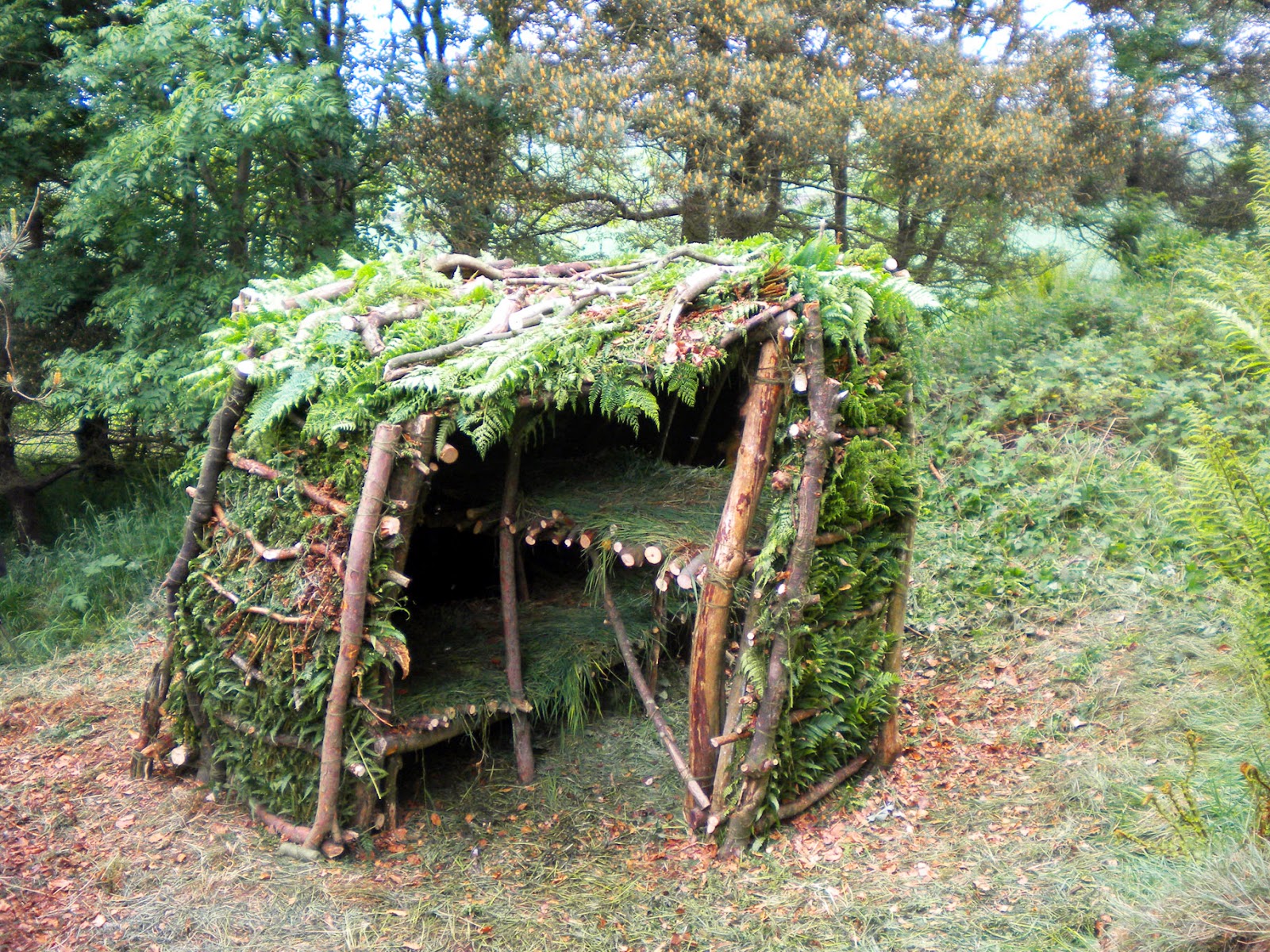 “100 Wild Huts is an experimental challenge I’ve set myself to build 100 small survival shelters on any piece of ground that harbours enough natural resources for the build. I intend to sleep rough in each shelter for one night and blog about the experiences. I intend to experiment with the huts form, structure and materiality in the hope that in due course this site will become a useful resource for budding adventurers and outdoor enthusiasts alike!”
Kevin Langan
Edinburgh, Scotland
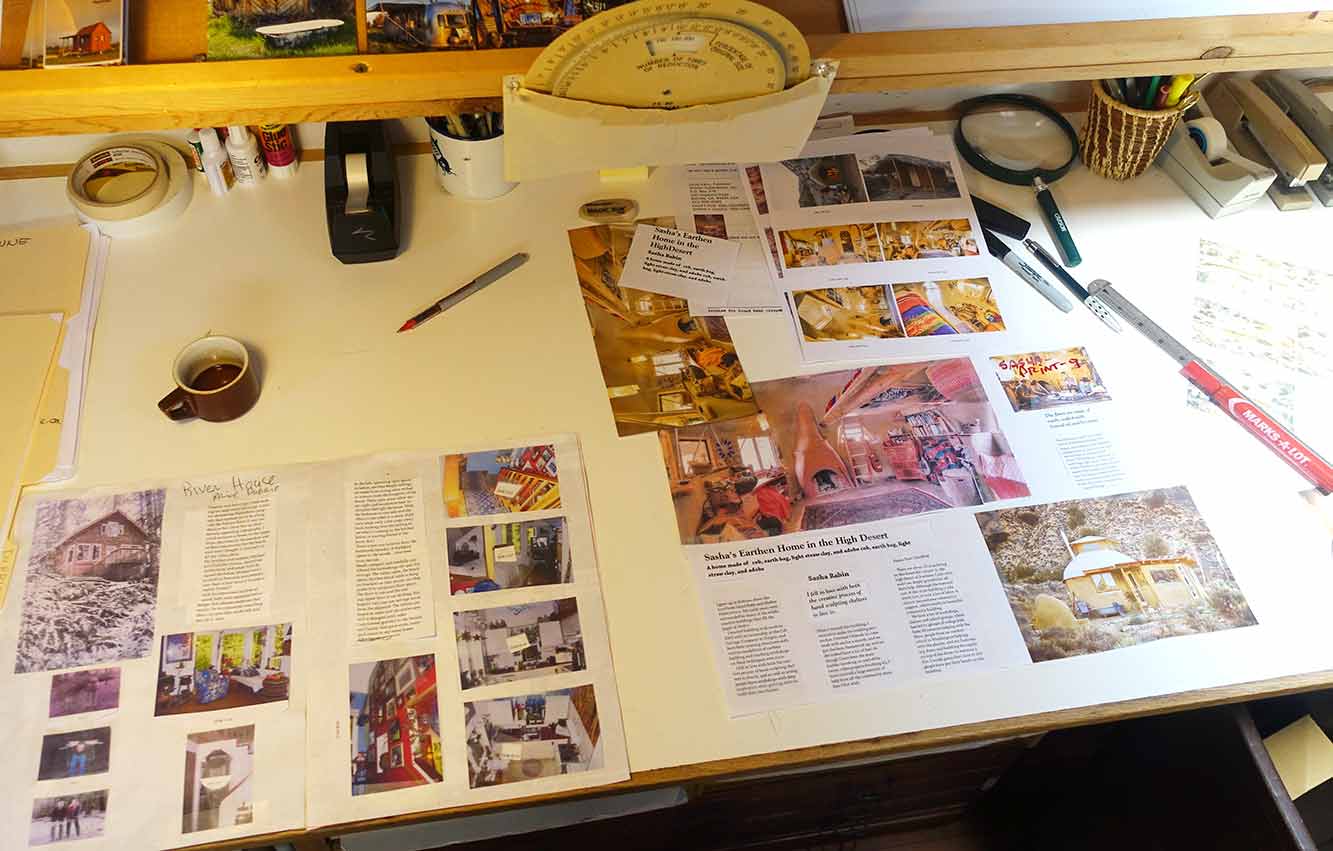
 I started 3 days ago. My M.O. is to open the file drawer and start picking out folders (there are 50-60 now) to work on.
I pick them out randomly and start doing layout— with scissors and removable scotch tape. No stinkin computers at this stage.
I print out the text in 3 & 4 columns, adjust photos to desired size on copy machine, and do rough layouts.
This is turning out to be really fun. We’ve accumulated material for maybe a year and now, the book is starting to assemble itself, in random manner. Organizing will come later.
Note: contact us if you know of small homes (400-1200 sq. ft.) that would work in this book:
We are especially interested in any kind of homes in cities and towns.
“I built this hut in the bush using naturally occurring materials and primitive tools. The hut is 2m wide and 2m long, the side walls are 1m high and the ridge line (highest point) is 2m high giving a roof angle of 45 degrees. A bed was built inside and it takes up a little less than half the hut. The tools used were a stone hand axe to chop wood, fire sticks to make fire, a digging stick for digging and clay pots to carry water. The materials used in the hut were wood for the frame, vine and lawyer cane for lashings and mud for daubing. Broad leaves were initially used as thatch which worked well for about four months before starting to rot. The roof was then covered with sheets of paper bark which proved to be a better roofing material. An external fireplace and chimney were also built to reduce smoke inside. The hut is a small yet comfortable shelter and provides room to store tools and materials out of the weather.…”
Sent by Jon Kalish
Dear Mr Kahn,
This house is going to be bulldozed because it “does not fit in with the surrounding Pembrokeshire countryside” which has to be the most ridiculous reason there is.
If you had the time to say a word or raise your hand in their favor it might help. I live in the west of Ireland. I don’t know the people at all and have no interest in the matter other than that I feel their pain and if they lived somewhere else they would have gotten away with it.
Thank you for your time,
best regards,
Conor