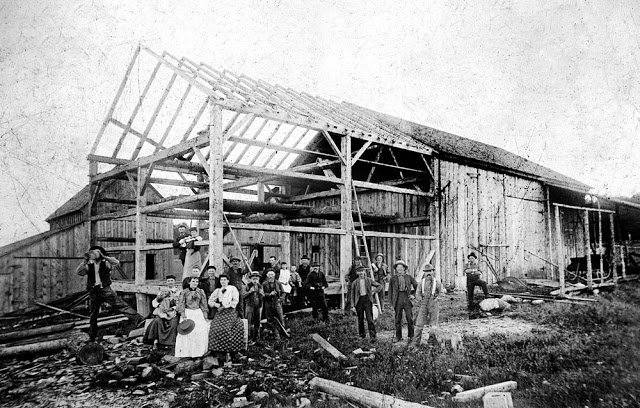
I’m giving a short talk at the Oakland Museum this week on the current back-to-the-land movement and the influence of the Whole Earth Catalog and other west coast publications on same in the ’60s and ’70s.
“Hay Fever
The Oakland Standard presents an evening of workshops and talks about the contemporary back-to-the-land movement, and the efforts of young pioneers to homestead rural California. Learn (almost) everything you need to know to escape civilization. Neo-pioneers from the Sierra Nevada foothills and beyond will teach quick lessons in wildcrafting, DIY architecture, rope making, homebrew spirits, and other essential skills.
Live music by Oakland-based Ethiopian jazz fusion band Sun Hop Fat.”
https://museumca.org/theoaklandstandard/hay-fever
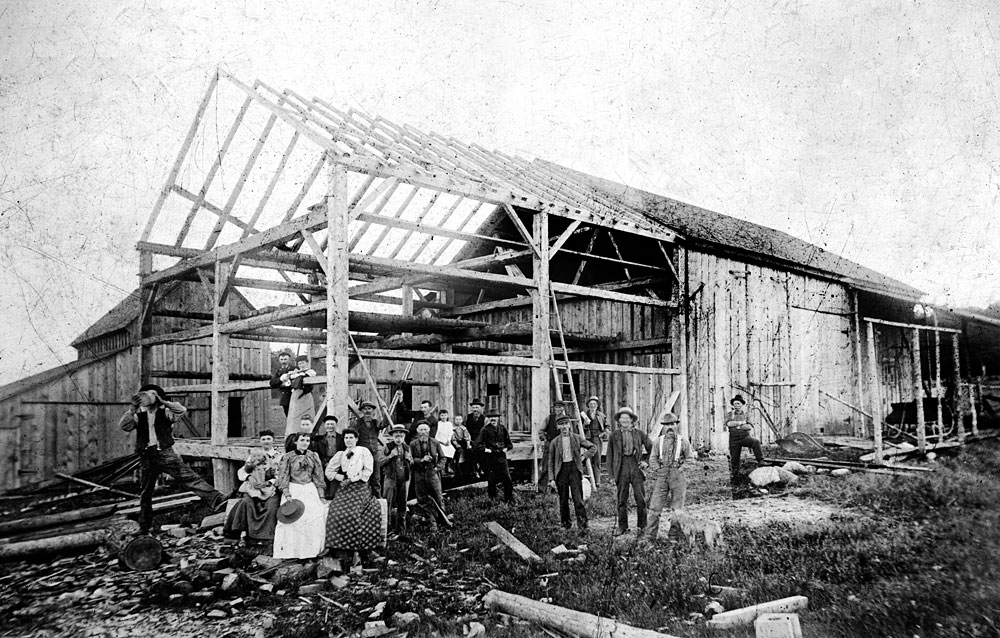
The Whole Earth Catalog and Alternative Structures
Discuss the cultural tide epitomized in the popularity of the Whole Earth Catalog, first released in 1968, and contemporary interest in DIY architecture.
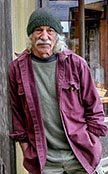
Teacher: Lloyd Kahn
Friday, May 13, 7:30 – 8:00pm
Oakland Museum of California
1000 Oak Street
Oakland, CA 94607-4892
 Here’s what Lesley planted, all local:
Fescue grasses
2 types of sedums
3 types of Dudleya (succulents)
Coyote mint
Sagebrush
Beach strawberries
Lupine
Coast lotus
California rock cress
Lizard’s tail
Rosy buckwheat
Soap root
It’s all experimental. We’ll do updates as the months go by.
On a living roof, the critical place is the bottom: how to keep things waterproof, yet allow drainage. Most roofs I’ve seen look a bit sketchy in this area. Stuff that’ll work for a while, but will need replacing. Anyone got details of long-lasting designs?
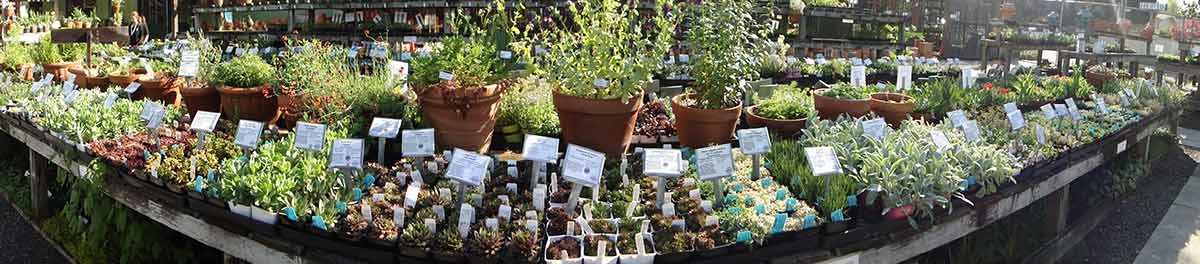
 This is a magnificent nursery in the San Francisco Bay Area.
“We are a family-owned retail nursery located directly across the San Francisco Bay from the Golden Gate occupying most of a city block on the north side of Berkeley. We have been blessed with a temperate climate; one where extreme hot or cold is a rarity. Our primary endeavors are to offer quality plants of all types to the general public, to collect and disseminate information on anything garden-related, and to provide a pleasant atmosphere in which to browse an array of horticultural products & accessories. We can provide local delivery, but we are not set up for mail-order purchases. Stop by for a visit!”
1310 McGee Avenue
Berkeley, California 94703
510-526-4704
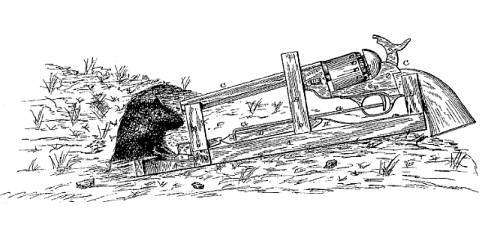
 “This looks a bit … direct, but it dates from 1882. James Williams needed a device that would destroy a burrowing animal and give an alarm so that it could be reset. His solution was a revolver attached to a treadle. Touché.
The patent abstract adds, ‘This invention may also be used in connection with a door or window, so as to kill any person or thing opening the door or window to which it is attached.’ Evidently Williams had bigger problems than rodents.”
https://www.futilitycloset.com/2011/04/13/pest-control-2/
Spotted this on Boing Boing this morning.
 “StoneLake Farm is a unique 21-acre off the grid homestead located in Humboldt County, approximately 60 miles southeast of Arcata, California. Close to redwood groves and wild rivers, high on the southwest flank of Buck Mountain, our small farm has dairy, pack, and Angora goats, chickens, a large garden, orchards, a lively creek complete with dipping holes, flowing waterfalls, and stunning vistas.
Our hand-made octagon is available for rentals, we offer internships and are accepting applications for our artist-in-residence program.”
https://www.stonelakefarm.com/
 A bunch of good books for people getting into food production, on whatever scale: https://www.goodearthpublications.com/
Regarding this book:’
“City Chicks describes in detail how chicken’s “skill sets’ can be employed in a ‘Hen-Have-More Plan’ for food production systems. Instead of using oil-based chemicals, chickens can help produce fertilizer and compost; they can turn yard waste into garden soil. Hens can also be used as mobile, clucking, (organic and non-toxic), pesticiders, herbiciders, and insecticides.
And chickens can be of civic service. One chicken eats about 7 pounds of food ‘waste’ a month. A few hundred households keeping micro-flocks of laying hens can divert tons of yard and food biomass ‘waste’ from trash collection saving municipalities millions, even billions of tax payer $$
‘What if a city had 2,000 households with three hens (or more) each? That could translate to 252 tons of food waste diverted from landfills each year … Add to that number the tons of yard waste (grass clippings and leaves) that can hens can help convert into compost and the amount is as enormous as the tax-savings of NOT having to handle, transport and store all that biomass waste’.”
Boy is this beautiful!
Be sure to click on the 4 little arrows at lower right side of screen to enlarge. This is just magnificent.
Discovered by Lew Lewandowski
https://www.youtube.com/watch?v=2HiUMlOz4UQ
Tags: animals, birds, building, farming, fishing, gardening, homes, nature, ocean, people, surfing
Been back about a week now from road trip. Much as I love getting out there, it always takes a while to get back into the flow of work and homestead. We have about a half acre, and it’s pretty intense with structures and garden. I was showing someone around here the other day and he said it reminded him of Scott Nearing. (Scott and Helen Nearing were real rural homesteaders in Maine and wrote the by-now classic Living the Good Life)in the ’60s. All of us back-to-landers in the 60s and 70s read it.
Not really, I explained. We’re doing as much gardening, building, and food production as we can, but trying to balance it with the digital world, arts and crafts, having fun, staying in shape, and other aspects of the 21st century that don’t involve homesteading. It’s like a tightrope act.
I shot a few pics around here yesterday.
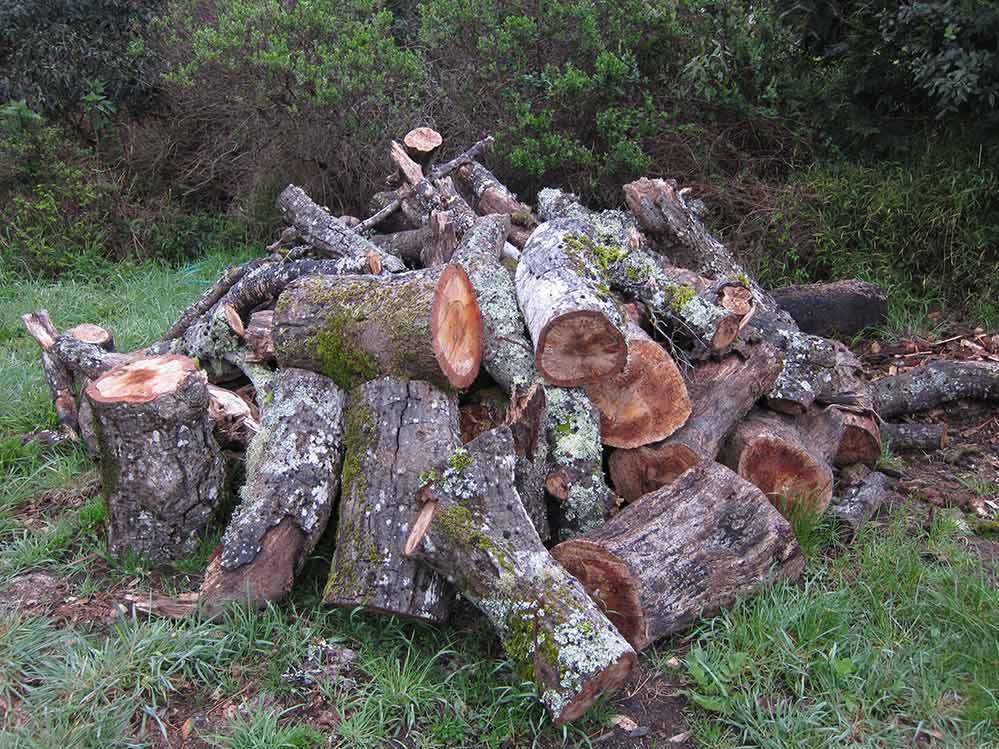
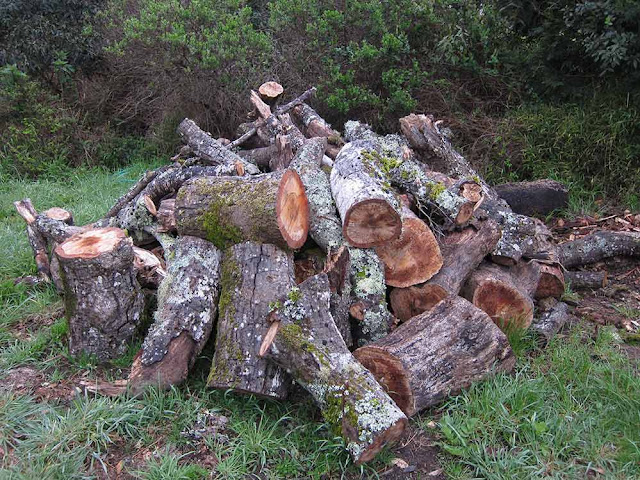 All this is oak from the side of the road. It’s a win-win: cleaning up roads, heating house, not using propane or coal/oil to generate electricity for heat. I’ve gotten good at avoiding the rangers, who don’t seem to get the concept. If they happen to nab me, I just came back under the cover of darkness and pick up the wood. In a few months I’ll rent my neighbor’s splitter and Marco and I will split it.
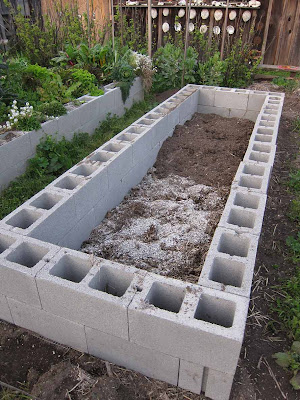 Another of Lesley’s raised beds under construction. Quarter-inch mesh placed on ground as gopher protection, blocks stacked on top. Bed filled with soil, blocks also filled & planted with strawberries.
 So much going on now, can’t capture much of it. Numero uno, the tiny homes book gets more fabulous weekly. Sheesh! We’ve hit a vein here. Plus the book is now alive and healthy and growing daily. I did 6 pages in the last two days, mama mia! What people are doing out there…
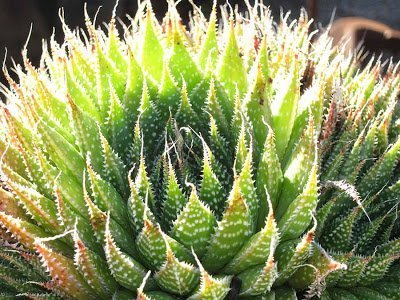
This afternoon, went clamming, stopped off at Eatdog’s succulent garden to set up for a photo shoot later this week, and shot this in the afternoon sun.
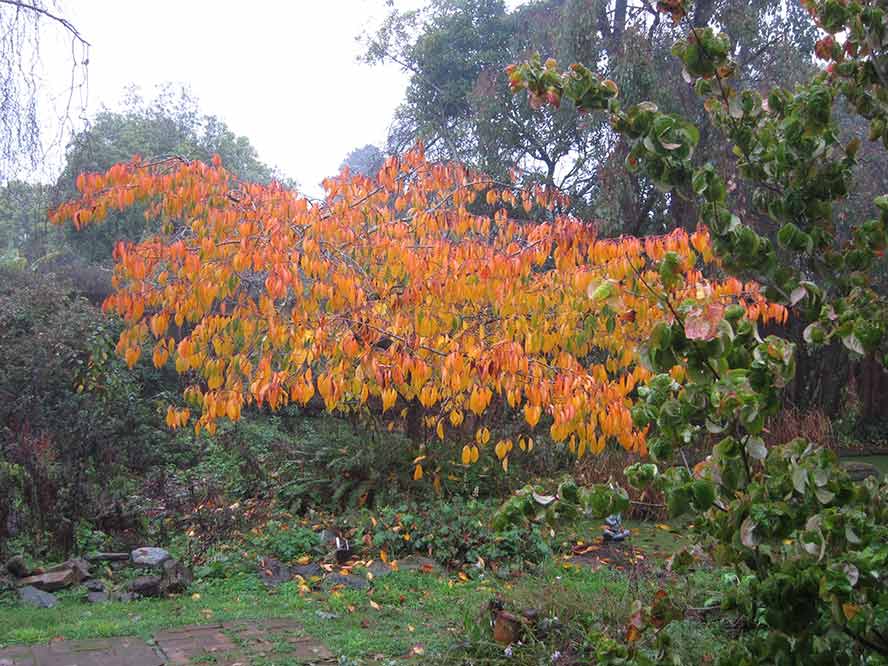
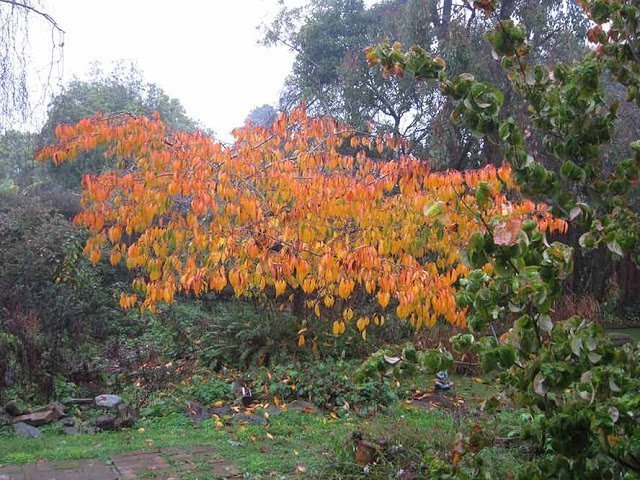 Lesley’s been telling me for about a week to watch this weeping cherry (Mt Fuji variety) tree, and it went full orange/yellow last night. One inch of rain in last 24 hours. Oh yes!
Last night I went running. Cold, dark night. As I was driving to our Tuesday night run rendezvous spot, I was thinking, “You could just go home and sit by the fire,” but the fact that other guys would be showing up motivated me.
I got into my Maxit tights and shirt, and with new super headlight, headed south along the coast. Cold at first but in 15 minutes, I started to feel good. By the time I got up to the lookout spot, I had my shirt off.
I could see the lights of about 20 crab boats out in the bay. These guys are tough, working around the clock, then heading into San Francisco when they’re loaded. One real windy night I was sleeping on the beach and I saw a boat out working crab pots. It must have been pitching all over the place, and I could picture these guys swinging heavy crab pots onto the deck, dumping crabs into boxes, rebaiting traps, dropping pots back into the water. Them’s some men, fer shure.
Ran about an hour, kind of reveling in the fact that I don’t have to “train,” I can run for delight, not speed. Boy is it different. By the time I got halfway through the run, my footsteps were almost silent. I’ve been thinking about the Miwok Indians that lived here not so long ago, and how they would have run gently on the trails…