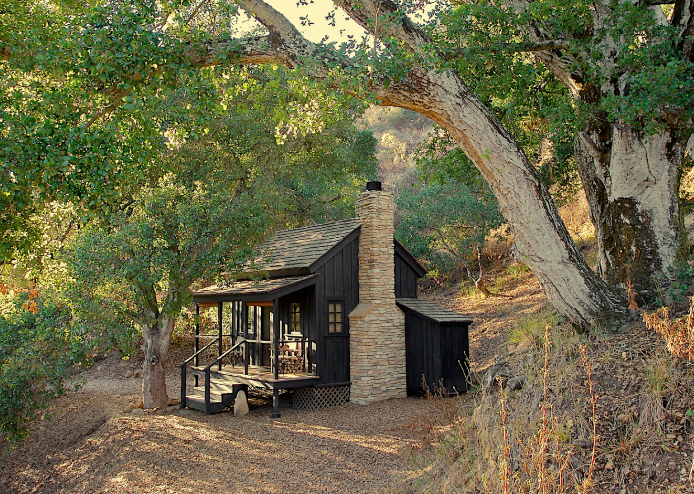
“Designed, built and finished entirely by M&L, ‘A Wee House’ is a traditionally-scribed frame made from local materials. Fashioned by the hands of Meghan’s many friends and family, this carefully made home is intended to embody the notion of craftsmanship and community spirit.” https://shltr.net/LHcYdH
“A low impact home made from natural materials whilst staying well within our comfort zone. Made with four layers of cotton, canvas and felted sheep wool. Situated on a raised wooden deck with running water, a wood burning stove, electric lighting and more. www.HandmadeMatt.com“
Extensive review of Tiny Homes by Robin Tierney in this online magazine. There’s even a short video (that I’ve never seen before) of our featured builder Mike Basich jumping out of a helicopter at 100 feet on his snowboard. https://www.theurbn.com/2012/07/tiny-homes-part-2/
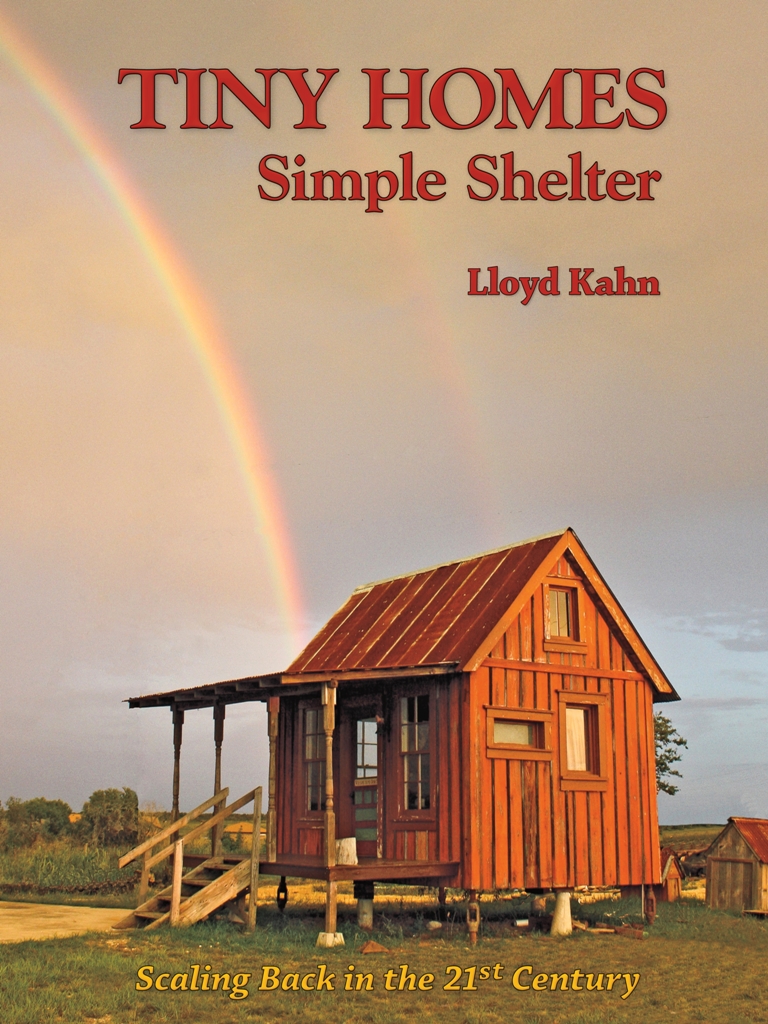
Thursday night I’m doing my 15th (and the last for a while) Tiny Homes slideshow, talk, and book signing in conjunction with Pt. Reyes Books, a community supported bookstore in Point Reyes Station, California. Thursday, July 5,7:30pm, at the Point Reyes Presbyterian Church. I begin these events by talking about all the things that were going on in the 60s in San Francisco (before the “Summer of Love,” when things were already falling apart), working on the Whole Earth Catalog, and starting my publishing career with two books on dome building, then show slides and discuss the builders and buildings in the book. I’ll also highlight what I’ve learned working on this subject and this book, why I think tiny homes are so popular right now, and who I think they are appropriate for.
Includes links to the Mud Girls, Tiny Texas Houses and other builders in the book, as well as a 2-minute video shot here at the homestead by a film crew commissioned by Sailor Jerry Rum.
Here’s an example of why I’d recommend following the Tiny House Blog if you’re interested in the subject, posted today. Note: this is on a very small lot.
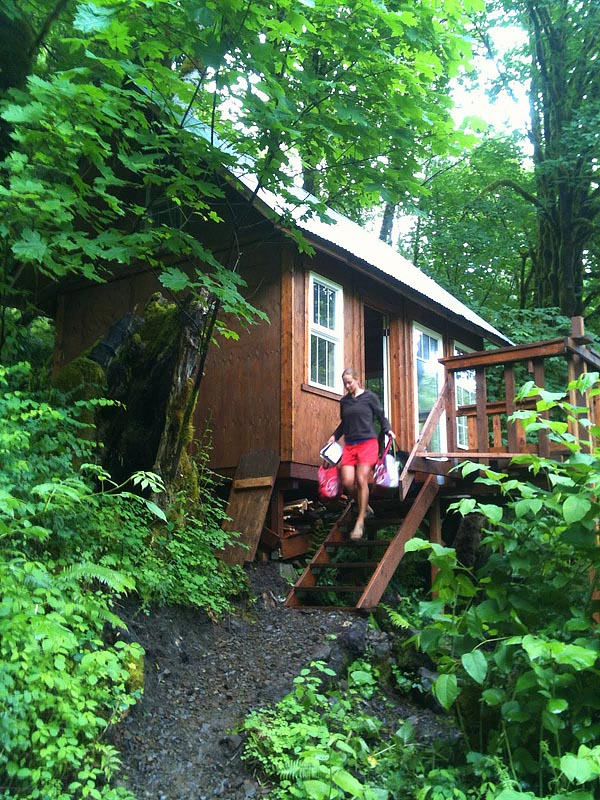
“Going up for sale in August 2012: Tiny Cabin on a River, one hour West of Portland, Oregon.
It’s on a coastal river in Oregon that has a Salmon Run!
It’s located smack in the coastal range, in a landscape dominated by wildness.
There is a forest maintained hiking trail within walking distance.
There is a wild river located a few miles away (river with no road along it -very rare in the US).
There is a mountain lake located a few miles away with a healthy fish population.
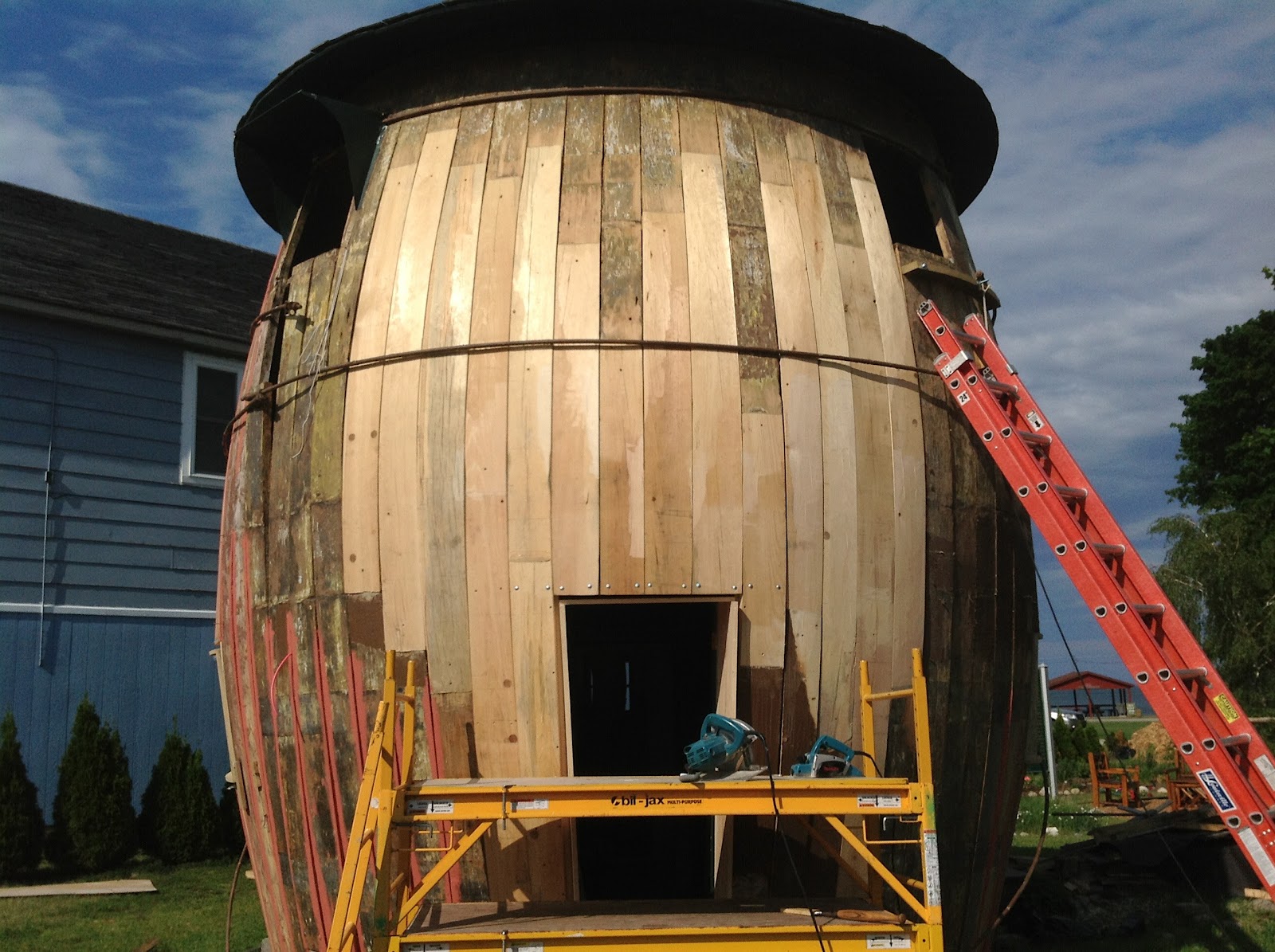
I mailed you before about my friend George, who is restoring the Pickle Barrel House in Grand Marais, MI. It was built by the artist beyond a popular comic strip in Chicago around the turn of the (other) century. In it, the characters lived in pickle barrels. He built the house on their vacation property in the upper peninsula of MI as a surprise for his wife.
The restoration proceeds…up in Grand Marais (think: Alaska; not too far off culturally and otherwise)
Working 7 day/week, with a few brief trips back to work on a boat.
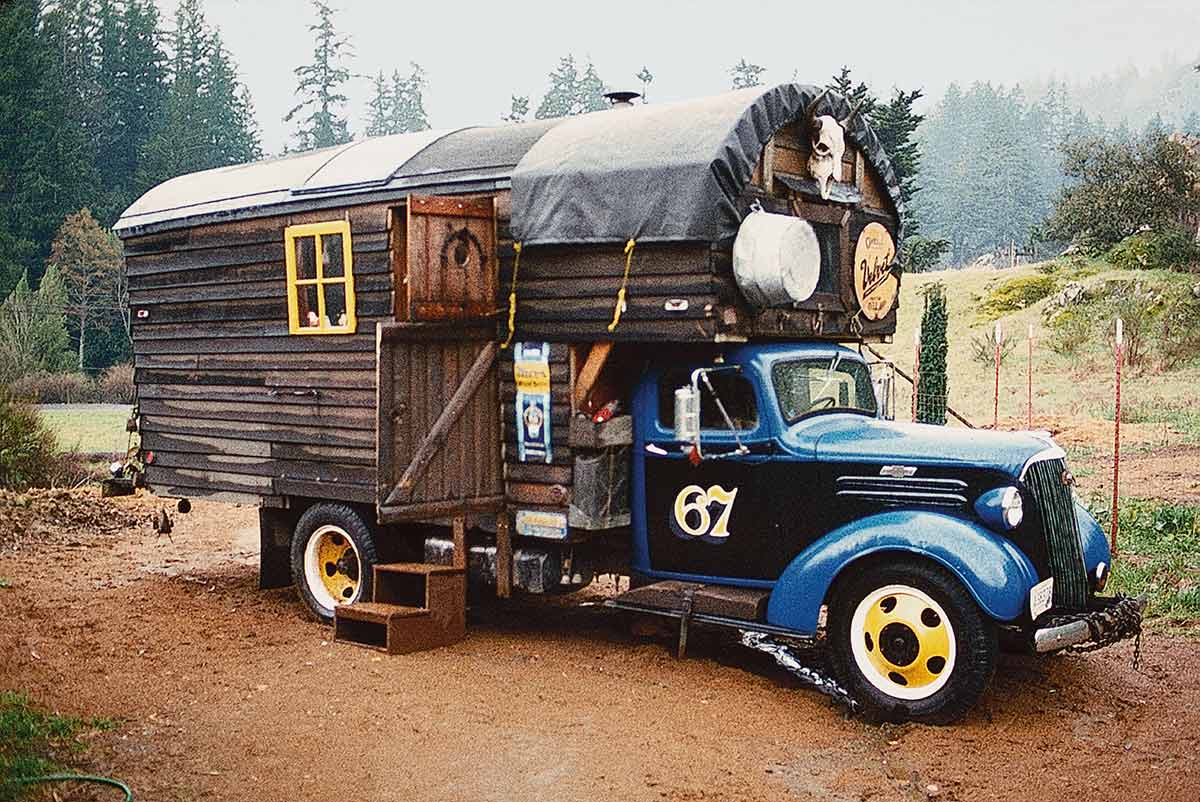
I was going over some old files in preparation for working on our new book on 21st century nomadics, and ran across this letter from Serena in Home Work (p.176). It refers to the 37 Chevy flatbed truck converted to a rolling home by Joaquin de la Luz and his wife Gypsy, and featured in Shelter (pp. 90-91), and in later years used as a bedroom by 4-year-old Serena. It was such a nice example of happy childhood memories, I thought I’d reprint it here.
“My earliest memories of the Gypsy Wagon begin when I was three or four years old. At that point, our family had settled down in a little house on the Klamath River, in Northern California. We had all moved out of the Gypsy Wagon but I really missed it. I remember begging my mom and dad to let me use it as my bedroom. Luckily for me, my parents were such free spirits that they could really relate to my independence. The wagon became my room. I have memories of kissing my parents goodnight, leaving the house, and walking to my own little Gypsy Wagon. I had a huge doll that my mom had made for me, named “Howdy Doody.” She made it out of vintage dress fabric, with old mother-of-pearl buttons for the eyes and mouth. Each night, I’d hoist Howdy Doody over my shoulder (he was bigger than me) and off we’d go. I loved the coziness I felt each night as I climbed into my bed. I remember the beautiful hand construction of the wagon, the texture of the wood, the hinges, and the little window above my bed. Everything about it was so warm. I think what made it so special was that is was filled with good intentions. My parents set out in the Gypsy Wagon because they were peaceful people. Their travels always had the purpose of happiness. The wagon was constructed almost entirely of other people’s discarded junk. My father’s creativity soared as he built it, and my mother made it a home.To this day, I really appreciate the warmth of simple things like old fabric and rusty metal. This is my history, as a child of free spirits with peace as their purpose. I wouldn’t trade it for anything.

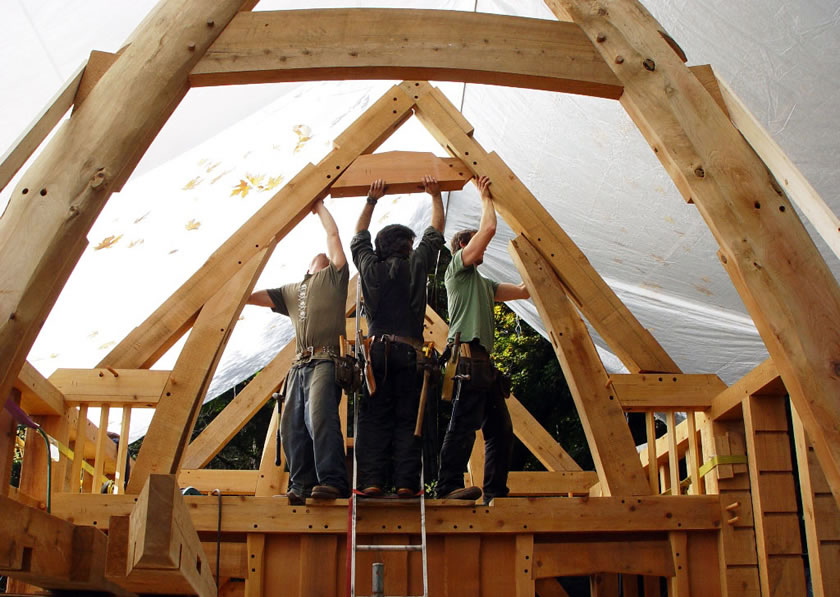 “Designed, built and finished entirely by M&L, ‘A Wee House’ is a traditionally-scribed frame made from local materials. Fashioned by the hands of Meghan’s many friends and family, this carefully made home is intended to embody the notion of craftsmanship and community spirit.” https://shltr.net/LHcYdH