 See posting of August 5 for details.
Interior of SunRay Kelley’s Solar-Powered Gypsy Wagon
Post a comment (2 comments)


See posting of August 5 for details.
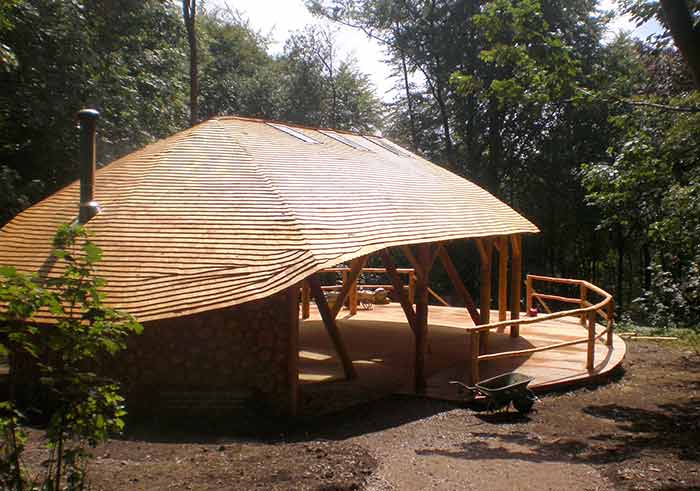 Outdoor classroom at Sustainability Centre in South Downs National Park, U.KOn 5/13/10, I got this email:
Dear Lloyd,
My name is Jack I’m 28 and a carpenter, I live in a town called Bridport in the south west coast of England. I’ve been a fan of your building books ever since a friend showed me a copy of Shelter in Spain when I was helping him build a cob house. I had never seen or heard of such structures before I went to help in 2003, He was using your book as a guide to build his house (which has been extremely successful); since then your other books have been and still are a true inspiration to my love of natural earth born structures. I have been working for a conservation building company for the last 5 years and want a change, something that will lead me to constructing unique and innovative buildings.
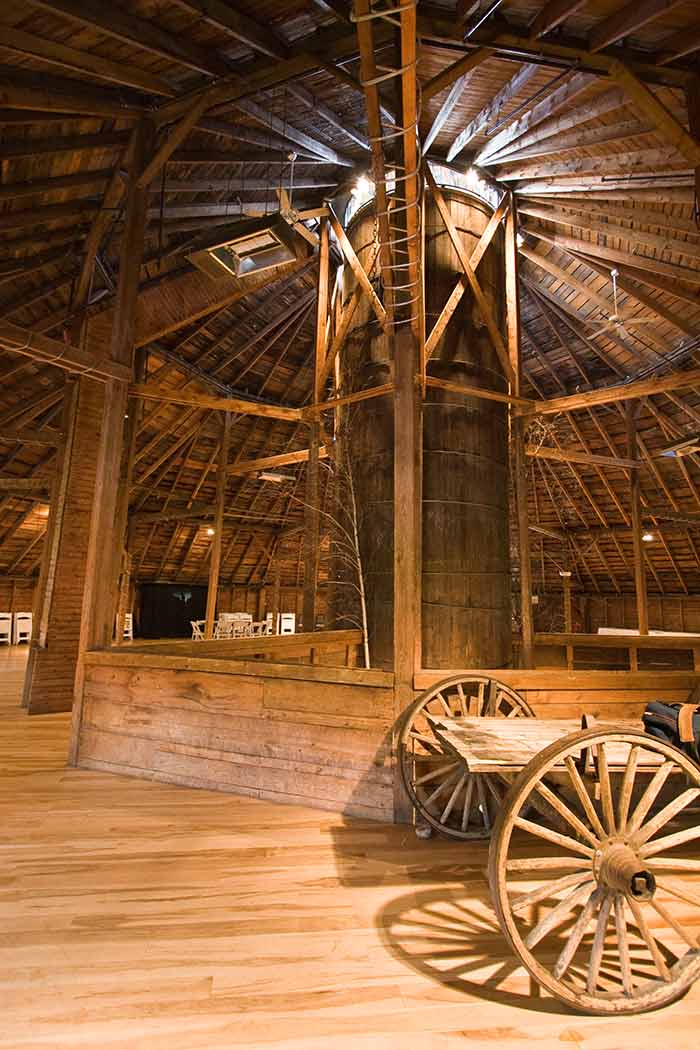 This round barn is at The Round Barn Farm Bed & Breakfast in Waitsfield, Vermont.
 Sun Ray Kelly is building a unique rolling home (which will be featured in our book on tiny houses). Inspired by gypsy caravans, he got a vintage 1984 Toyota dolphin camper vehicle (1-ton rear axle), demolished the camper shell, and built a canted-wall, curved-roof frame out of recycled aluminum. Called the Gypsy Wagon, it’s got a wild new shape and a unique solar/electric/diesel hybrid power plant.
The sides are cedar, there’s a forward solarium, a stained glass rear window, and a back porch. There will be 3000 watts of solar panels (some of which will fold down), two 156 volt banks of lithium iron phosphate batteries, and a 12 inch GE electric motor. The Toyota’s gas motor has been removed and a four-cylinder 1500 cc diesel motor installed that will run on bio diesel.
The batteries will be charged 3 different ways: one, by plugging into a standard 110-volt electrical outlet; two, by the PV array installed on the roof and wings; and three, by a 26-kw Perkins diesel powered generator (a “gen-set”). As SunRay explains, “Trains have for years been run with an electric motor powered by a diesel generator.”
Sunray is a brilliant (and competent) builder. Click on the link below, then go to the slideshow at the bottom of the page and click on the arrow to see some 2-page spreads of his work in Builders of the Pacific Coast: https://www.shelterpub.com/_builders/BPC-book.html
Any green angel investors out there? SunRay, as usual, is working on a shoestring, and could use financial backing. It’s a wonderful project that will enlighten and inspire people to utilize alternative sources of energy and recycled materials. Contact him at: sunray@sunraykelley.com, all and stay tuned in here for progress
“Beatrice was a starting point for the Homestead Act of 1862, the federal law that handed land to pioneering farmers. Back then, the goal was to settle the West. The goal of Beatrice’s “Homestead Act of 2010,” is, in part, to replenish city coffers. The calculus is simple, if counterintuitive: hand out city land now to ensure property tax revenues in the future.…”
Left: A cabin at the Homestead National Monument of America near Beatrice, Neb., Photo by Kevin Moloney for The New York Times. Article published: July 25, 2010 by Monica Davey: “Cities View Homesteads as a Source of Income”
“Around the nation, cities and towns facing grim budget circumstances are grasping at unlikely — some would say desperate — means to bolster their shrunken tax bases. Like Beatrice, places like Dayton, Ohio, and Grafton, Ill., are giving away land for nominal fees or for nothing in the hope that it will boost the tax rolls and cut the lawn-mowing bills.…”
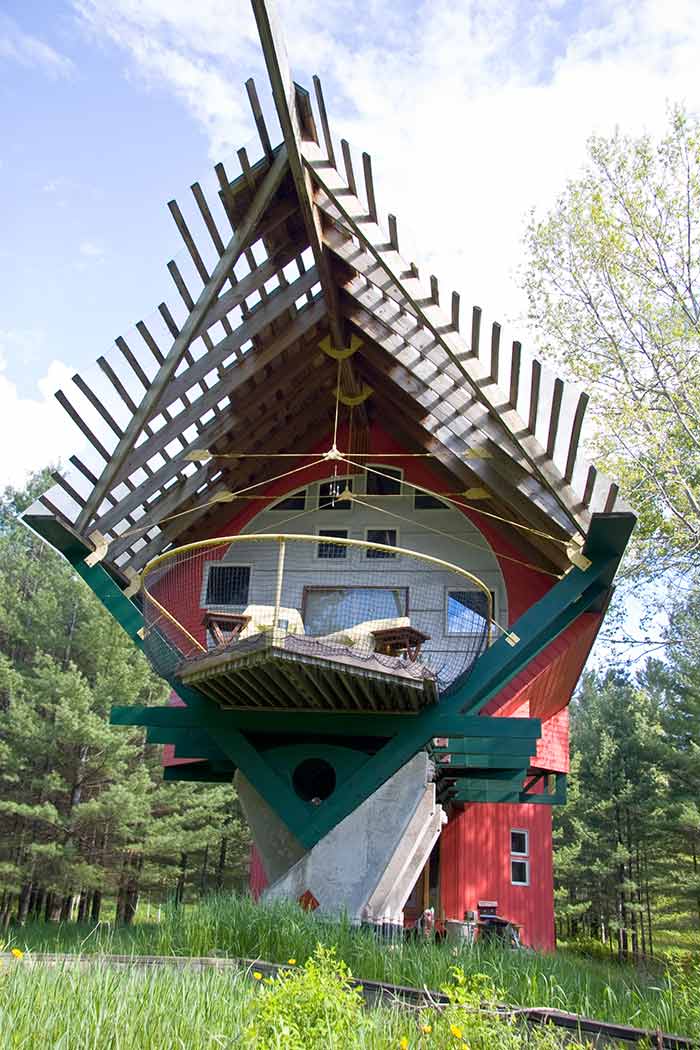 Artist/architect John Connell designed and built this house in a played-out gravel pit near Warren, Vermont. It was built over 16 years with input from about 65 students from John’s six-week Deign/Build sessions at Yestermorrow School in Warren, Vermont.
John: “The idea was to show that intelligent land development could actually help repair land as opposed to its usual role in degrading it. I purchased this played-out gravel pit which was then subdivided into four lots with a common area. In the common area we built Vermont’s first licensed engineered wetland specifically designed to treat waste. It was sized to accommodate four 3-bedroom homes. This house was the first to be built (proof of concept). Sadly, the people who purchased the house also purchased the remaining lots and closed down the project. So we successfully refurbished the gravel pit (maybe a bit too well) but failed to create the neighborhood we had hoped for. Had we sold the lots separately, it would have become this fabulous little neighborhood of four hi-performance homes and a green house on ten acres along the Mad River. That was the vision.
As it was designed and built (over those 16 years), that house was meant to reflect the very latest in sustainable thinking. It is super insulated, is heated by less than 500 gallons of propane each winter with a super hi-eff boiler (93%+), the wood was mostly local, the materials were recycled whenever possible, non-toxic glues and sealers were used (after 1991), etc. etc.”
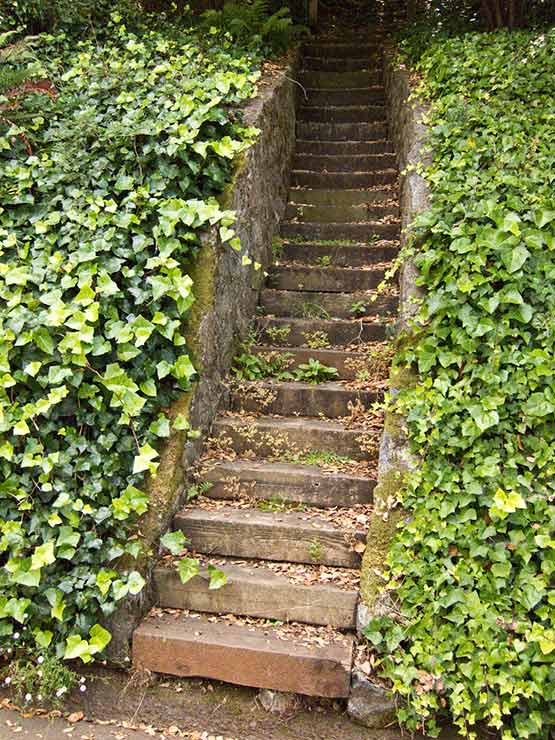 I noticed these stairs across from my brother’s house a few days ago. Concrete stringers on sides, railroad tie steps

John Connell’s home
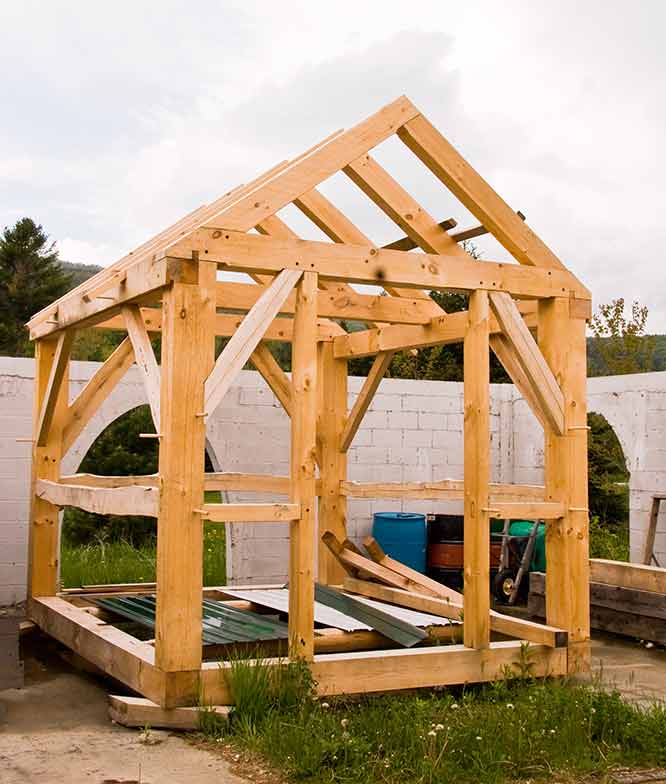 Mortise and tenon framework for tiny house at Yestermorrow Design/Build School in Waitsfield, Vermont
 Nice roof framing detail
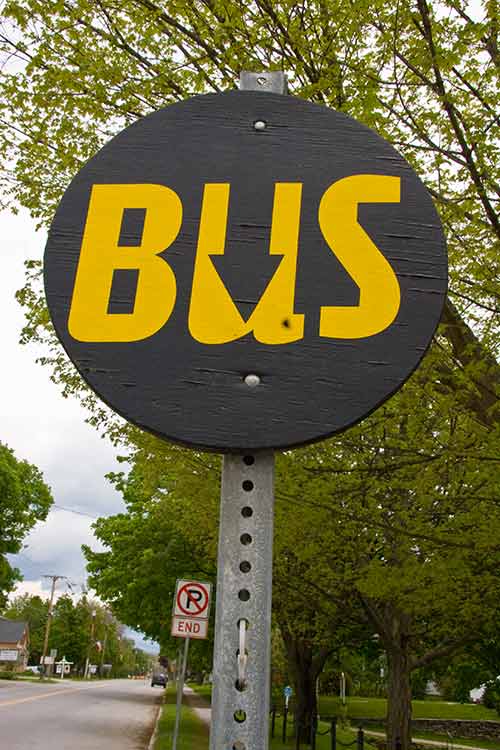
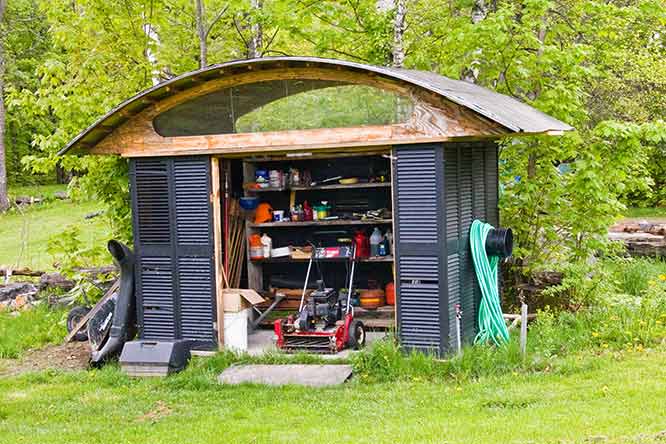
I’m going to post a bunch of pics from Vermont, 2005.