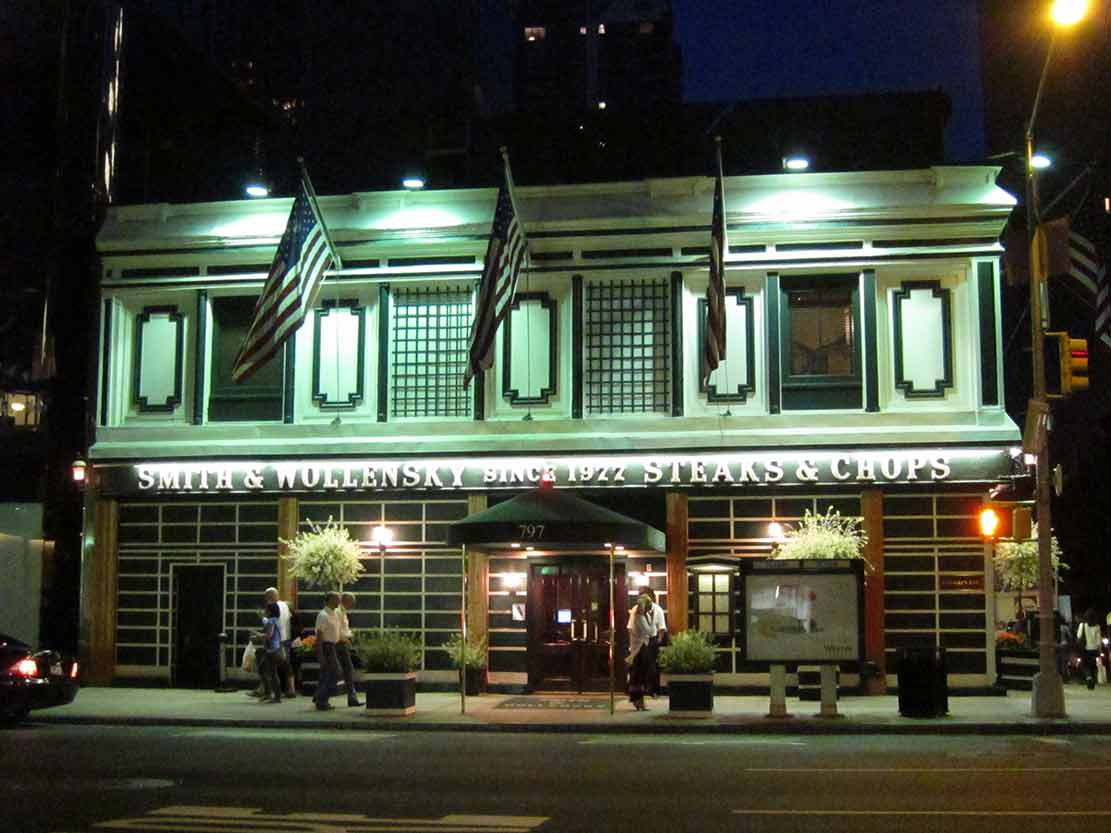
(This only for camera nuts. Others won’t be interested.) Can we talk?
My first was a Kodak Baby Brownie at age 12. First photo was of Puddles the hippopotamus at the SF Zoo. Next camera, from Uncle Walter, who had an Oakland camera shop, a Rolleicord (not Rollieflex), shot pix on 3-month Lambretta motor scooter trip through Europe. Next when I was in the Air Force in Germany (’58-’60), the secret service guys on our base let me use a little Leica fixed lens (35 mm I believe); the b&w’s I shot with it are so luminous. I was in charge of the base photo lab, so learned the techniques and developed and printed b&w for maybe 8 years.
Then in the ’60s a Nikon and Nikkormat (one with TRI-X, other with color slide film), both with fixed 50 or so mm lens — the photographer had to zoom by moving back and forth. Traveling in US, Canada, shooting pix for Shelter. Shot ’65 Bob Dylan concert Providence RI from stageside, Tri-X, some of my best photos ever.
Then the Olympus OM1 came along, half the weight of Nikons, a wonderful system and I ended up with about 7 lenses, 2-3 bodies. That was it for many years.
Then I got my first little digital point and shoot, a-ha.!
Read More …
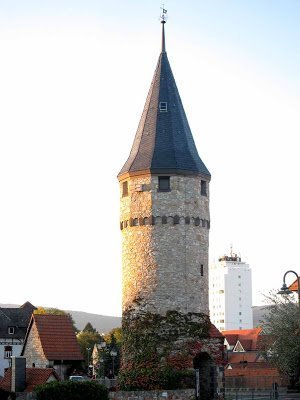
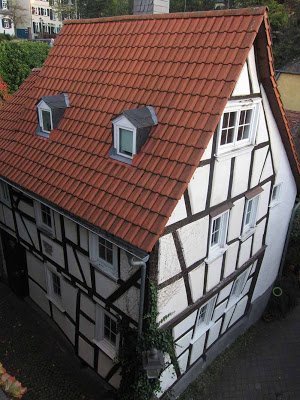 Sunday late afternoon I stepped outside the hotel, for the first time in a week without a heavy backpack, and felt light as a feather. Got my mo-bility workin, was able to move along smartly in the 2-mile walk into the town center, and shot photos. If I haven’t mentioned it before (probably have), the Canon Powershot S95 little pocket camera is in a class by itself. I have it with me almost all the time.
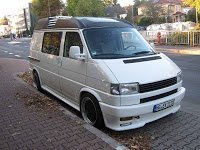
A pretty spiffy live-aboard van (Not a VW, couldn’t see any indication of maker.)
 The above:
1. Printed 1767!
2. Price: 29,500 Euros ($40,000)!
Lovejoy is a character in a series of English mysteries who is a “divvy” of antiques. He can divine authenticity. Sometimes an old object will almost knock him out. I felt something similar with some of these very old, very beautiful books yesterday, almost a ringing in the ears. Another book of drawings of chameleons was 12,000 Euros. There was a 1901 first printing of Eadweard Muybridge’s The Human Figure in Motion for 1700 Euros. And in the more reasonable zone for 60 Euros, America by Walker Evans, black and white photos from the depression, a powerful book. (I just ordered a used copy online for $33.00.)
 I didn’t realize it was the inspiration (totally) for Robert Frank’s photo book The Americans from the 1950s. Evans is the photographer who teamed up with writer James Agee to do the classic Let Us Now Praise Famous Men in 1941, a book I idolized in the ’60s when I was starting to shoot photos.
When I left the room of rare books, a lady guard asked to look inside my backpack. SOP. Understood. Totally.
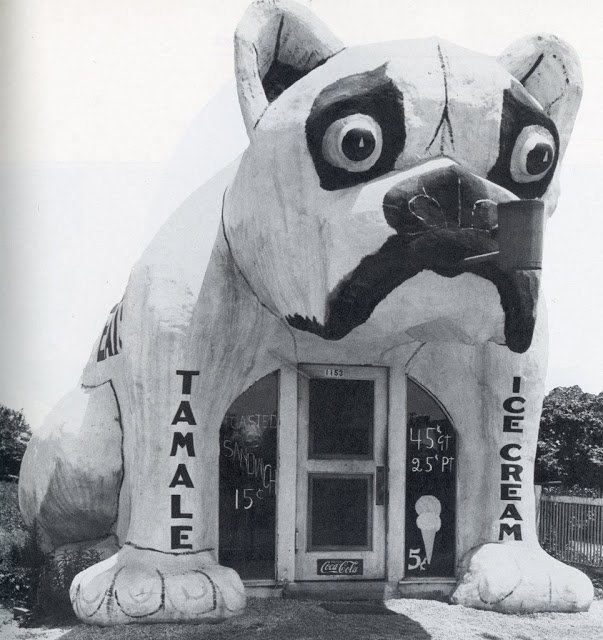 Statistics showed my blog getting a bunch of hits from this one, so I took a look. It’s full of images I really like; click here and scroll down: https://www.old-chum.com/
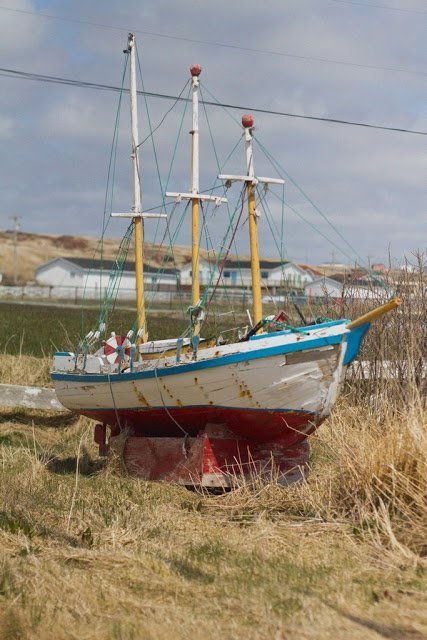
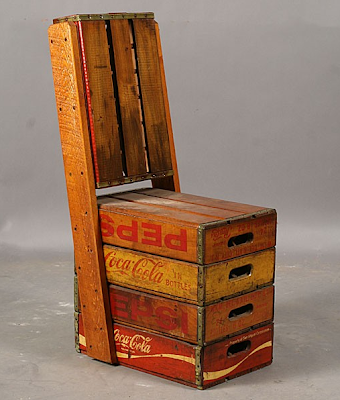
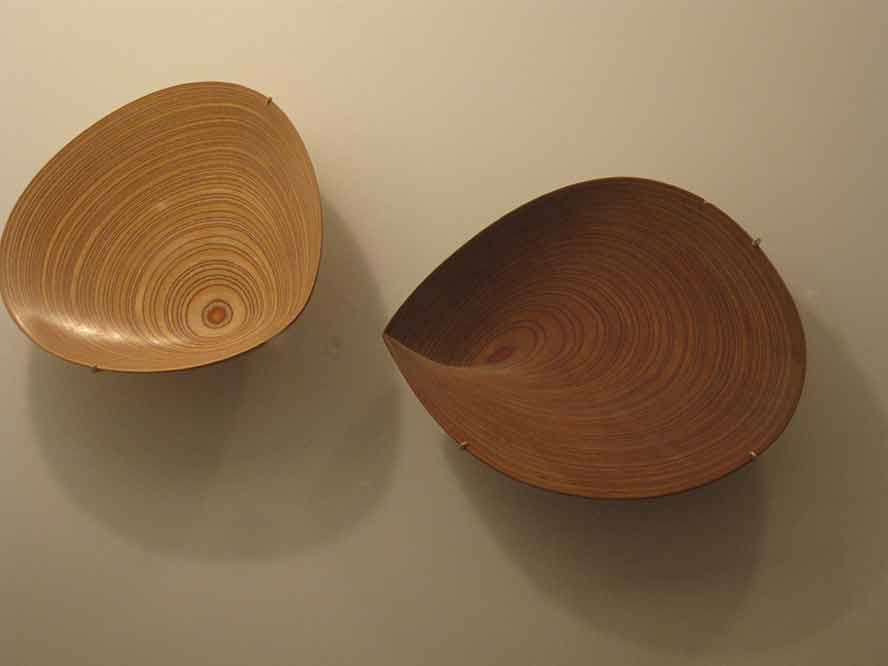
 Bowls made of plywood at MOMA. Were they made from real thick pieces of plywood, or were they bent?


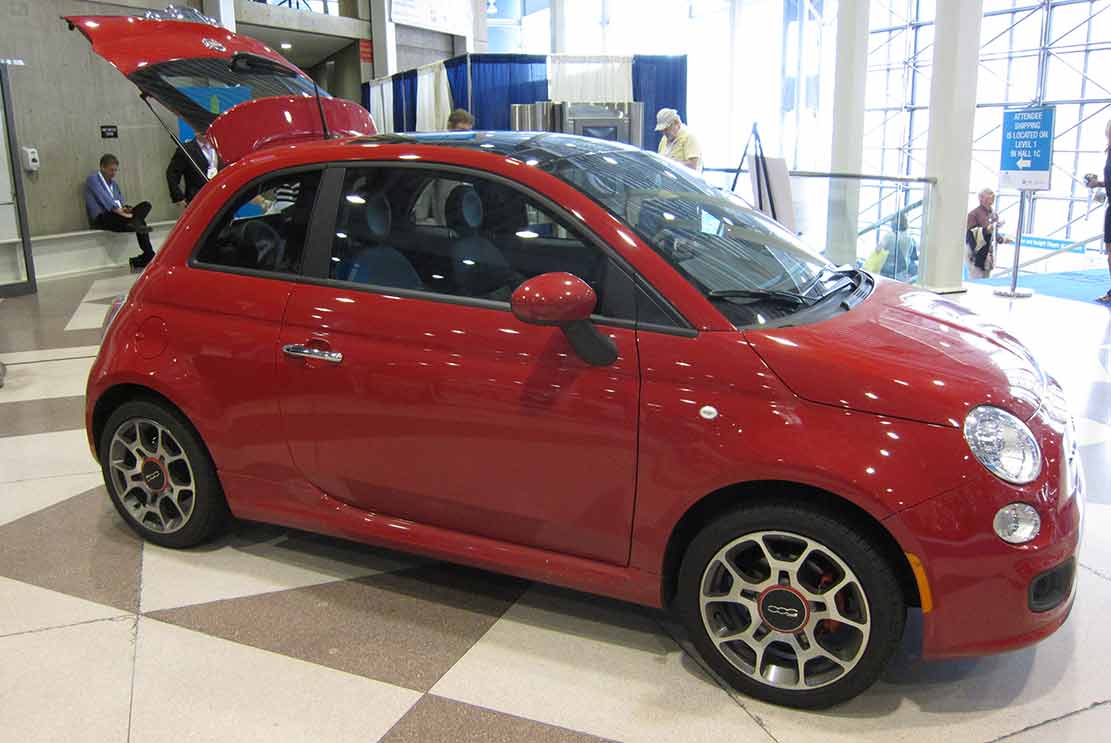
 Spiffy little Fiat on display at Book Expo America
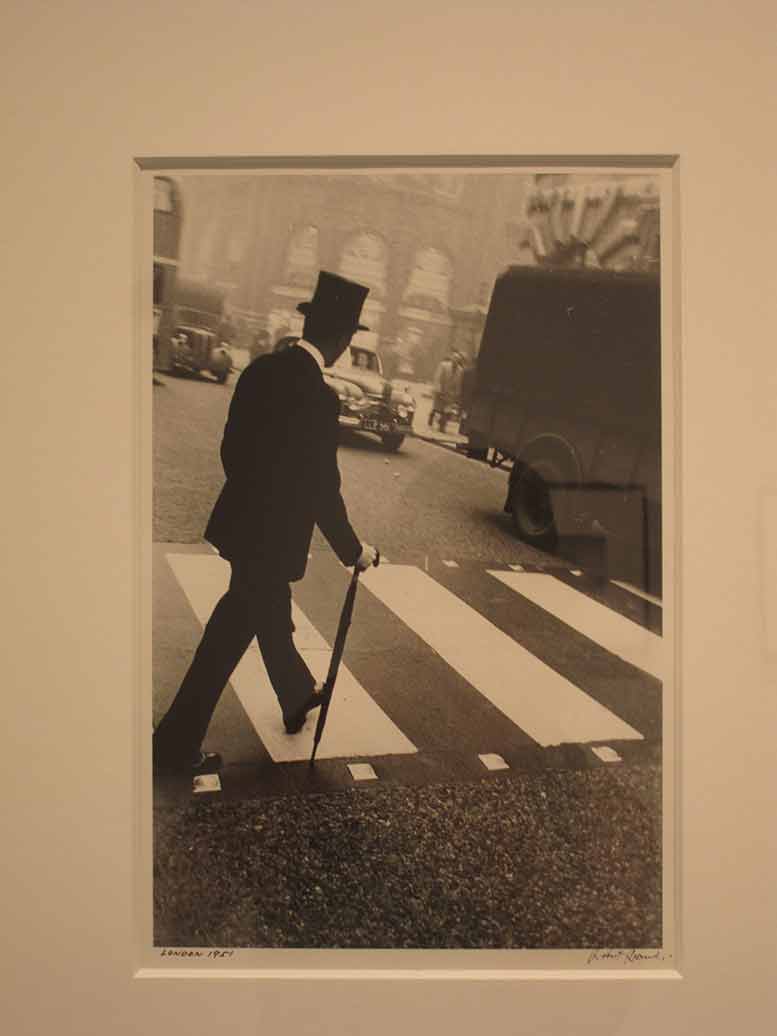
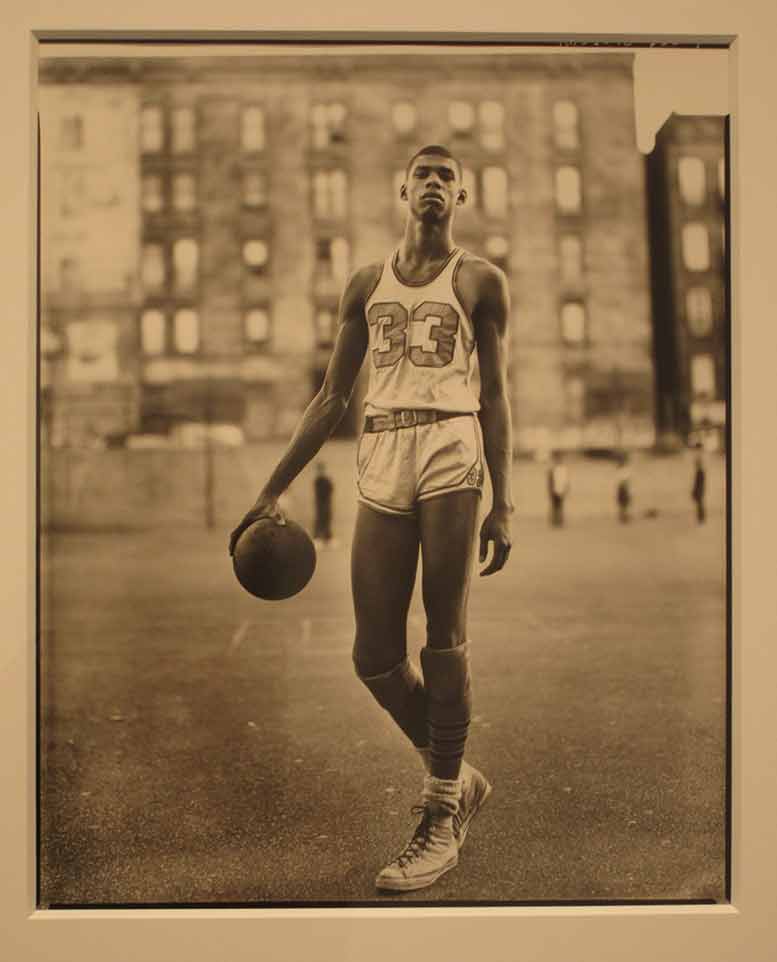
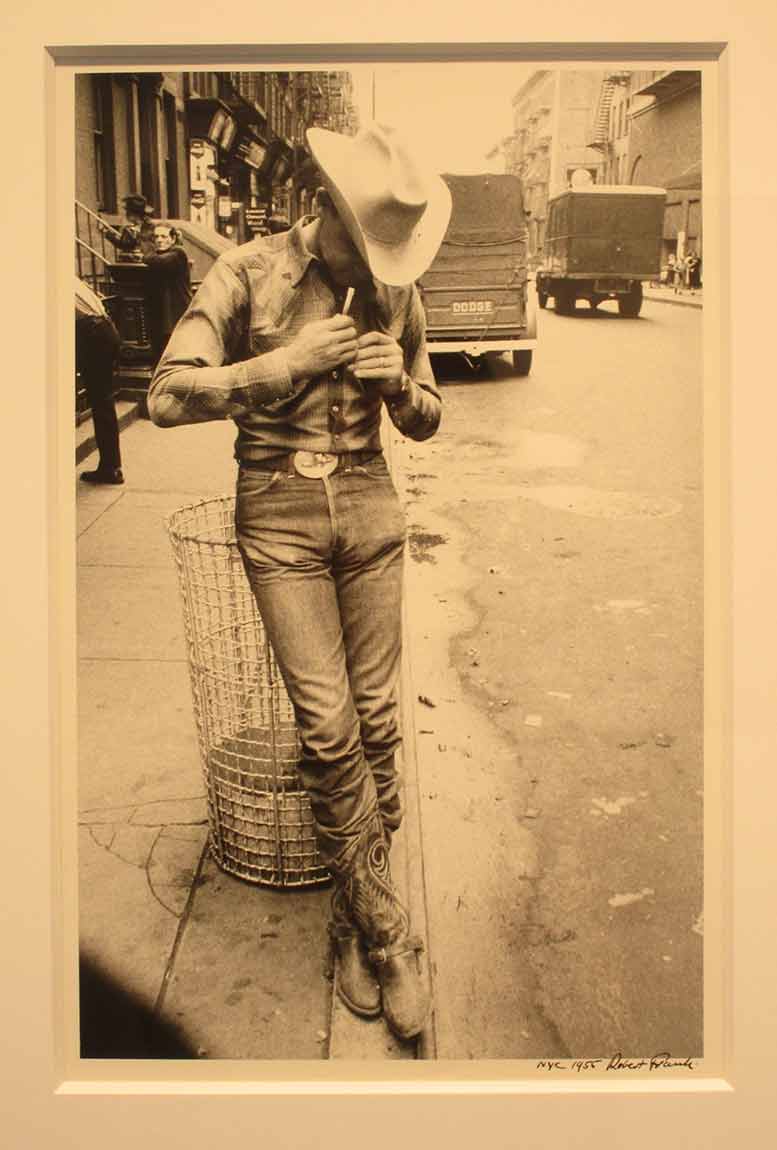
These were at the Haster Kraeutler gallery in Chelsea. The first 2 are by Richard Avedon; one of these had sold for $70,000. The cowboy is by Robert Frank, no listed price. There’s just something about photos shot with film, and in black and white, that you don’t get with digital, in color. You don’t really see it here, in these digital photos, but the real things are stunning.