
Gable
Post a comment


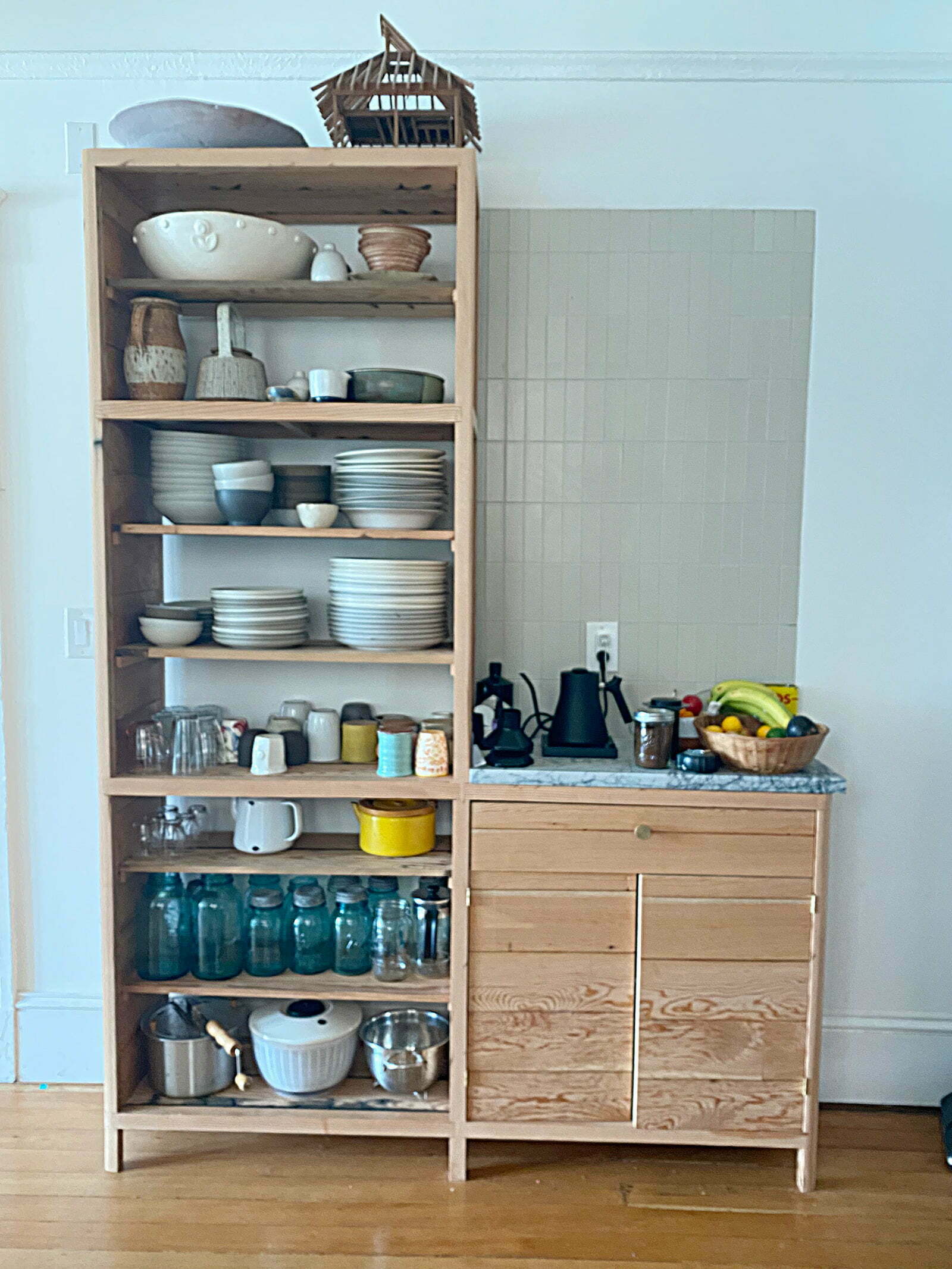
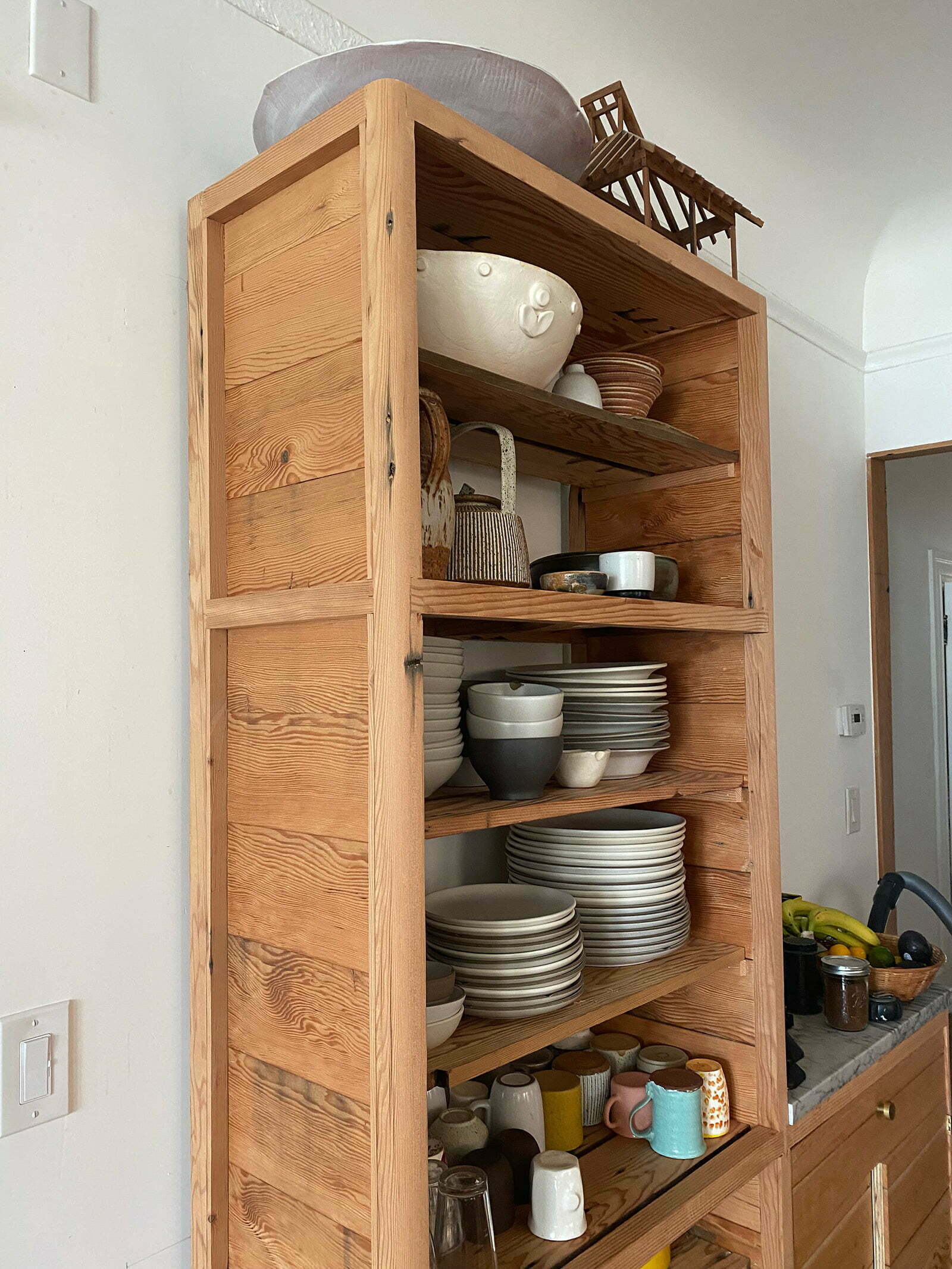
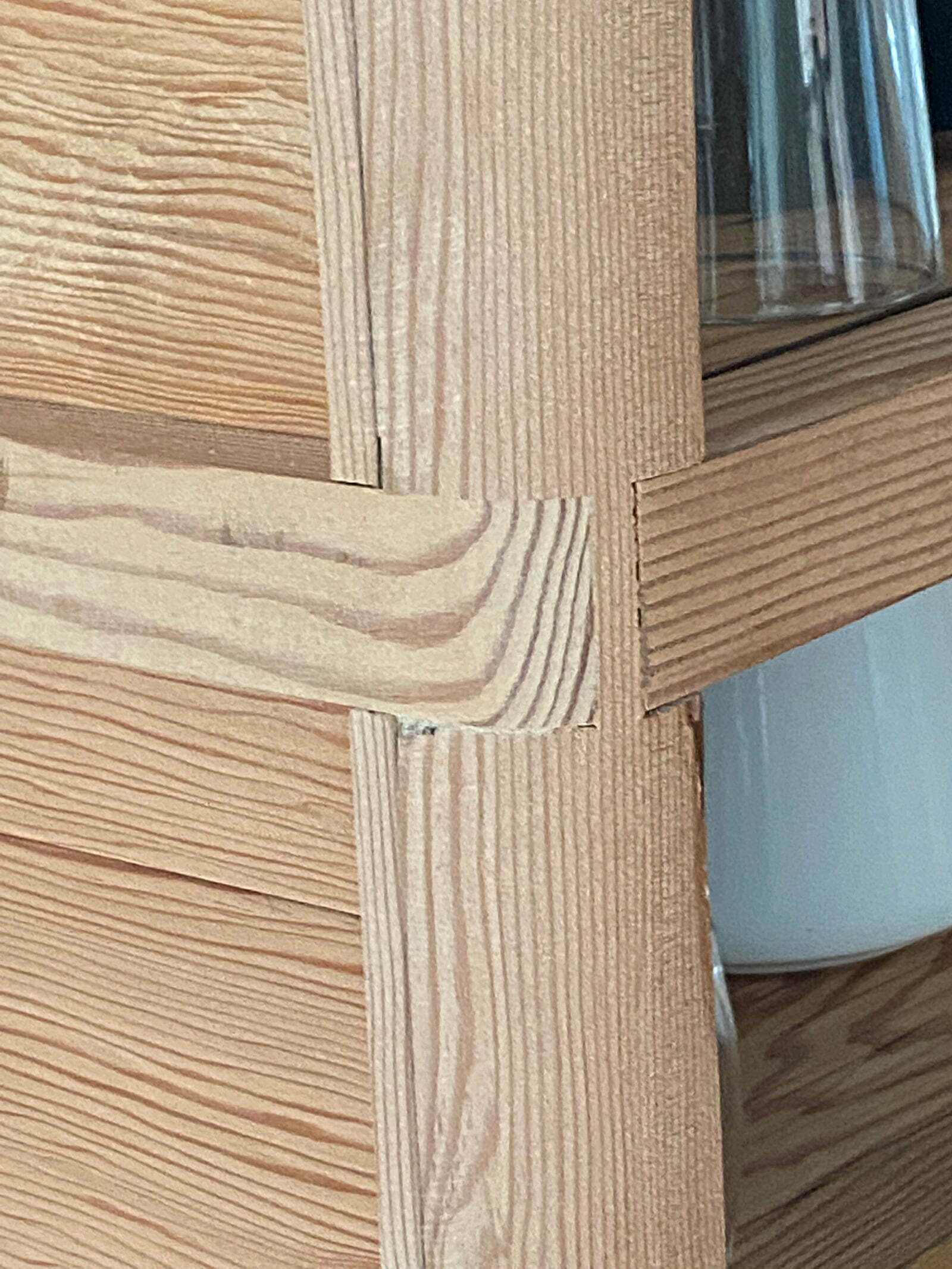
Used wood


California native, Leopard Lily (Lilium pardalinum). Lesley bought one at Mostly Natives Nursery and it’s thriving. Most commonly found in the Sierras, in wet places up to 6000 feet.
Sent us by Jon Kalish
Yo Lloyd,
You’re the man. Love the GIMME SHELTER newsletter, don’t have any social media, so keep it up. The wife got me The Half-Acre Homestead for Christmas and I used it for inspiration for my summer greenhouse project. Hope for many years of season extension up here in the inland northwest. Keep up the good work.
–Taylor Goates
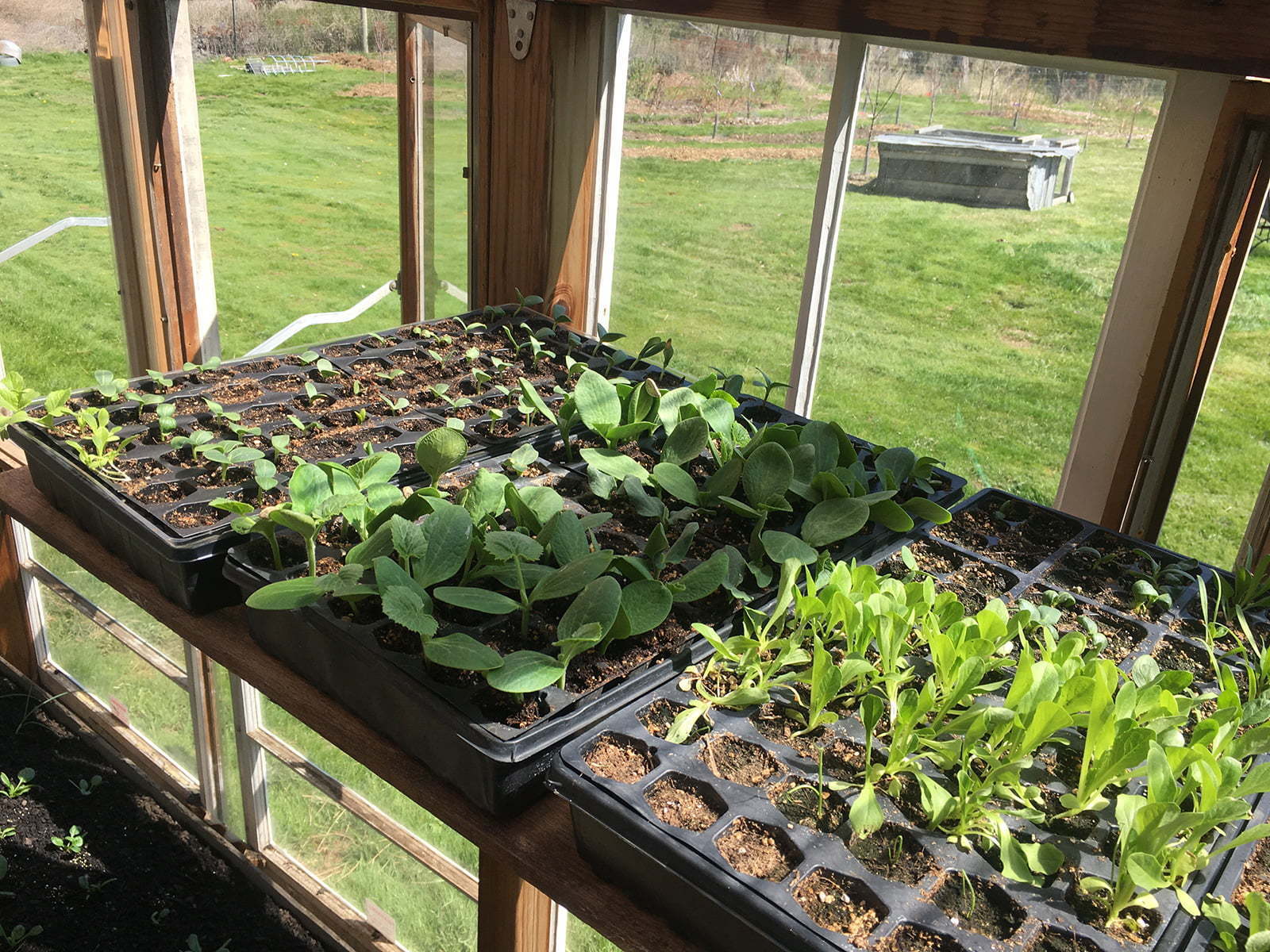
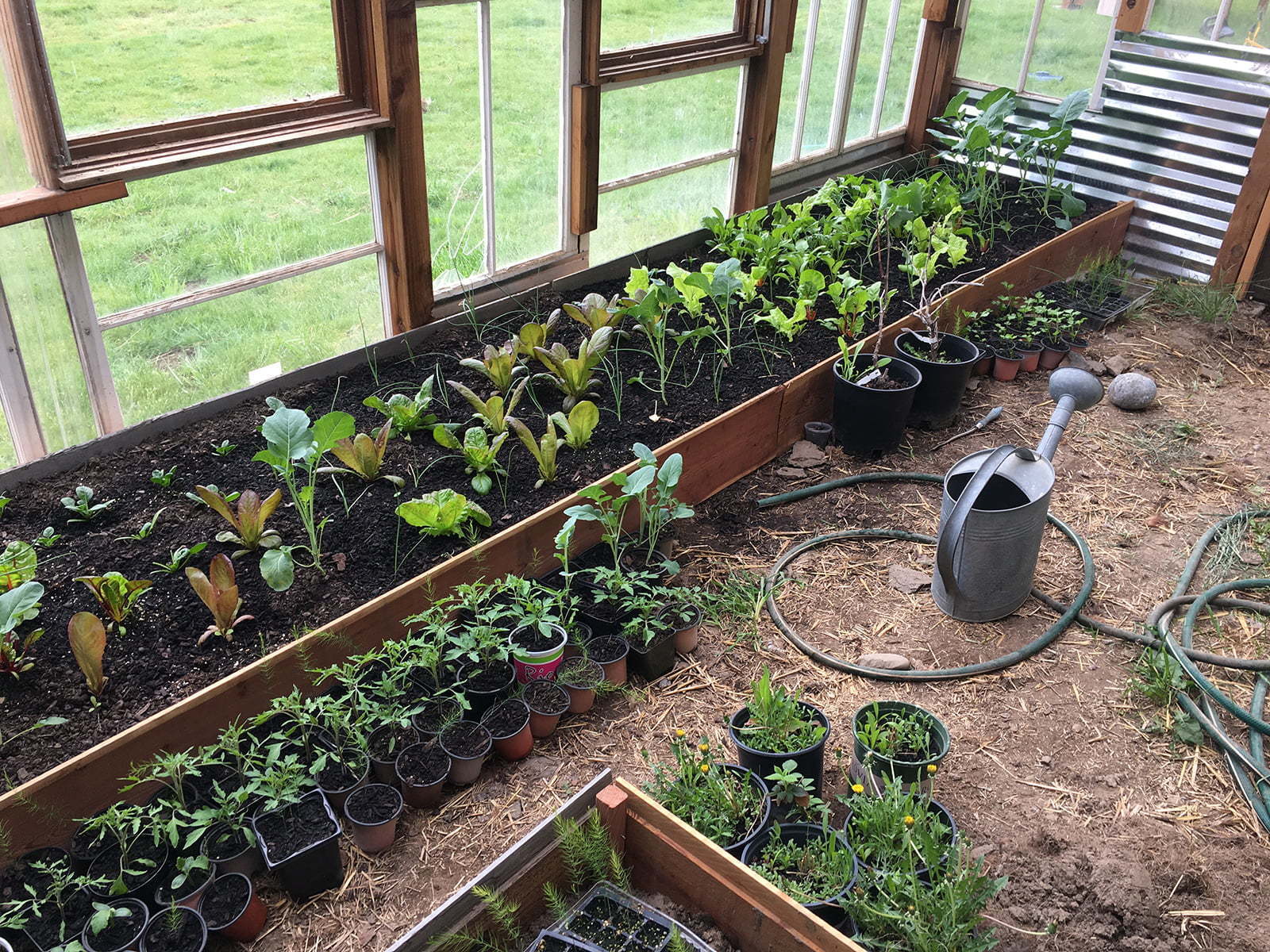
Hi Lloyd and company,
Greatly enjoyed your book, Small Homes: The Right Size. My wife and I live in a small home on the Kenai Peninsula in Alaska. We bought the land and the original cabin, which, according to the realtor, had no value: “free firewood.” So we of course did like some of the homeowners in your book, and decided to restore the place.
We added a 14×16 foot room and went from 500 sq. feet to now 830. Added a few outbuildings and now have a lovely place to call home on the edge of the wilderness. Moose, bears, lynx and more in the area.
Hope to make a second addition next year if time allows, so we can have a little more room; my wife would love a larger kitchen, and that should be it. I did all the work, with help from one of my sons and some occasional help from other family members.
If you ever are in Alaska, do stop by and visit.
I’ve attached one shot of the place, original log cabin on the right side and the 2019 addition on the left side. I’ve also attached two photos of our garden.
Keep up the good, inspiring work with your books!
–Ed and Theresa Gonzalez
Ninilchik, Alaska


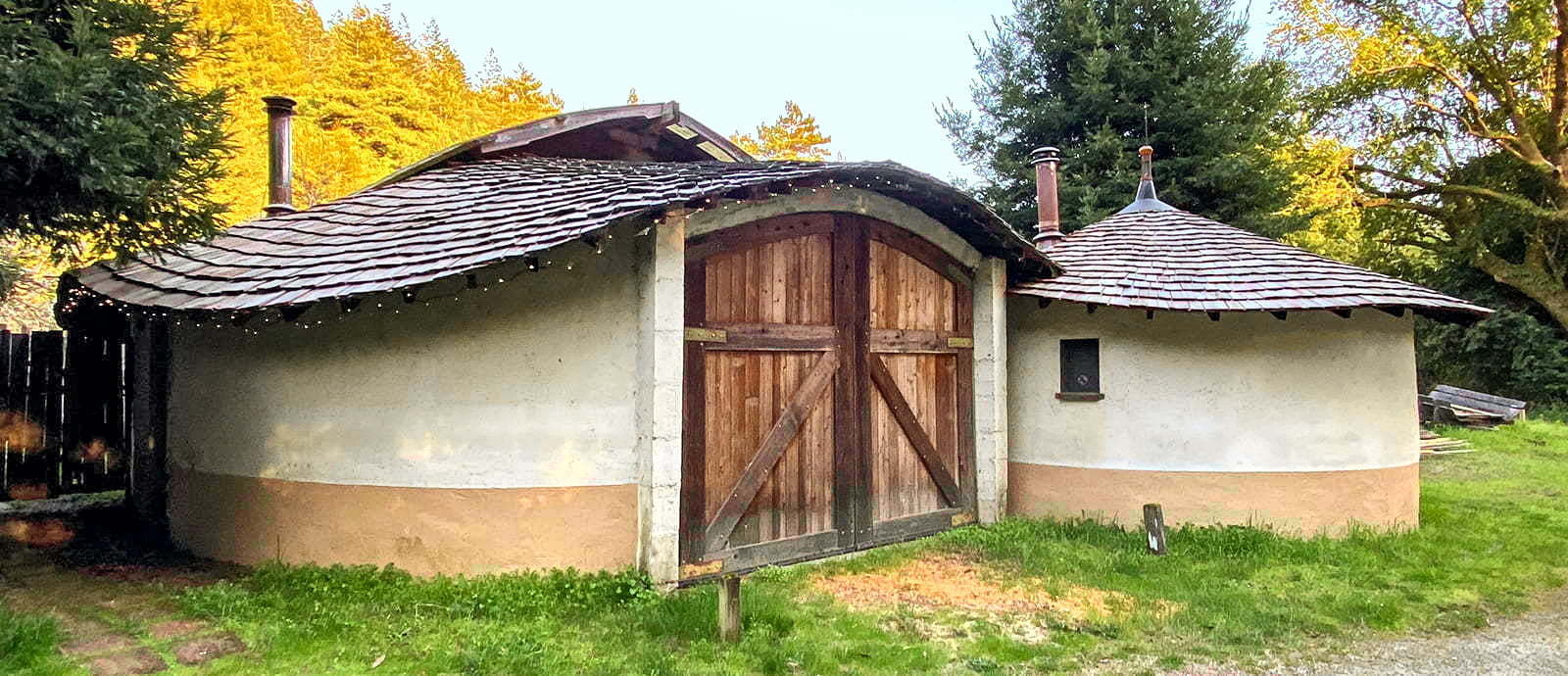
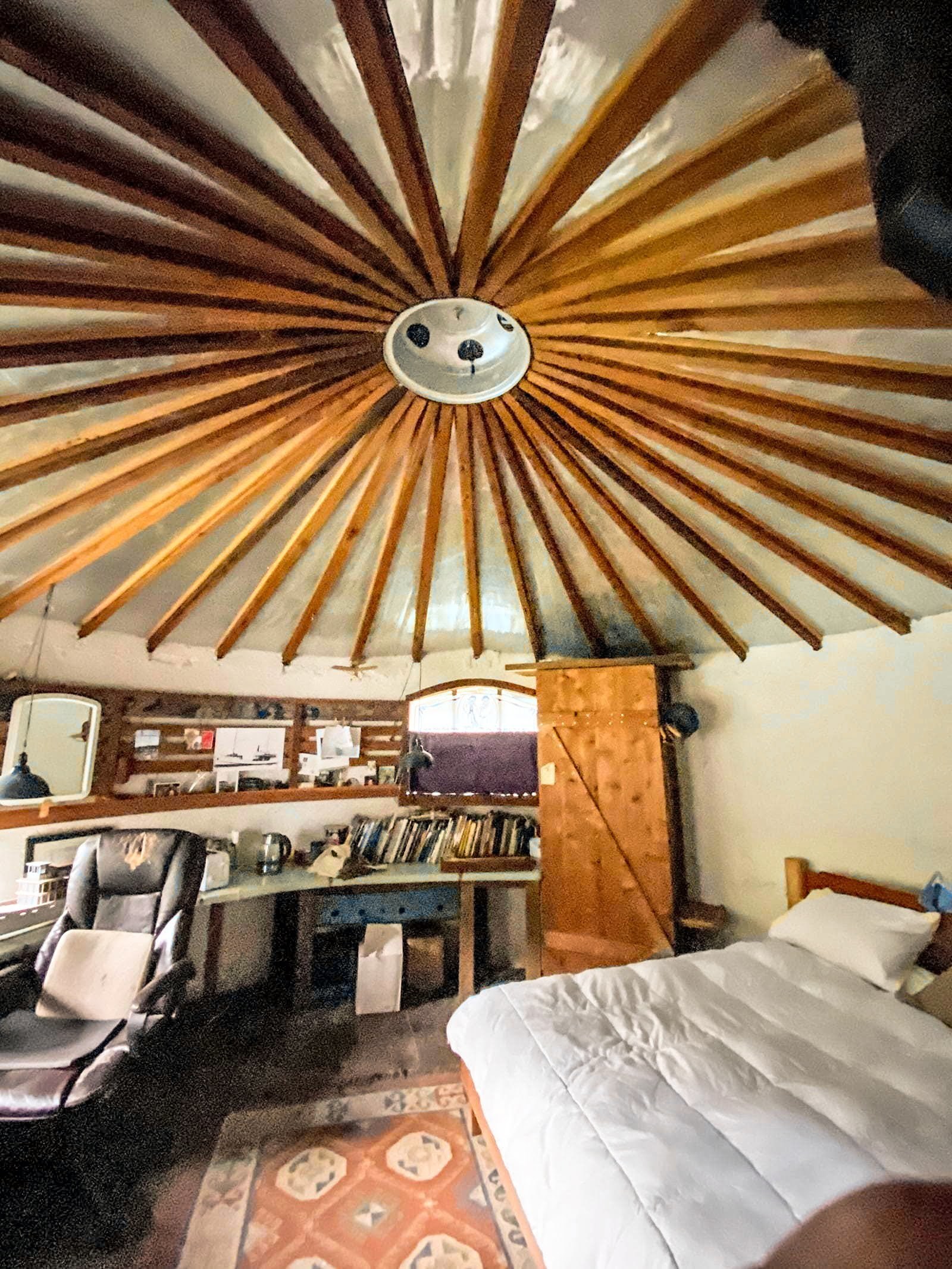 When I first met Louie, in the mid-1980s, I was stunned by the beauty of this little building, and even more stunned when he told me that his design was based on the painting of a Mandan earth lodge on page 4 of our book Shelter. Moreover, his cabin across the river was based on the drawing of a small Japanese cabin (bottom right, page 21) in Shelter.
At that point, I had published Shelter II in 1978, but hadn’t really planned on any new books on building.
If Shelter had inspired buildings like this, it occurred to me that it was time for a sequel, and therefore I started working on Home Work, featuring Louie’s creations as the first part of the book. It turned out that a lot of buildings had been inspired by Shelter, as you can see if you leaf through Home Work.*
Since then, we’ve become the best of friends, and I visit him whenever I can. I stay in the little circular room (at right in the exterior photo), and it’s always a wonderful experience — looking up at the radial framing of the roof (with a Ford truck wheel at the apex), looking out at the grapevines, enjoying the design and quality of the building.
I always consult him on projects underway, and on this trip I took along the 30 or so pages of rough layout of our next book, Rolling Homes, and got his feedback.
Now that I’ve returned home, I’m back to work on this book, and it looks really exciting — what with the huge interest in nomadic living these days.*
Stay tuned.
P.S.: I highly recommend the film Nomadland; it’s real (a rarity these days).
You can get both Shelter and Home Work on our website with a 30% discount and free shipping — which beats Amazon. There’s a money back guarantee on all of our books.
www.shelterpub.com


My neighbor Dieter came over and looked at my compost bins (with adjustable sides) a few months ago and then built these — a great improvement over my funky bins. He said he added the concrete around the bottom because the rats (or skunks) were getting in. The idea here is that you add the slotted boards as you build the compost pile higher. The screened mesh keeps out varmints from the top.
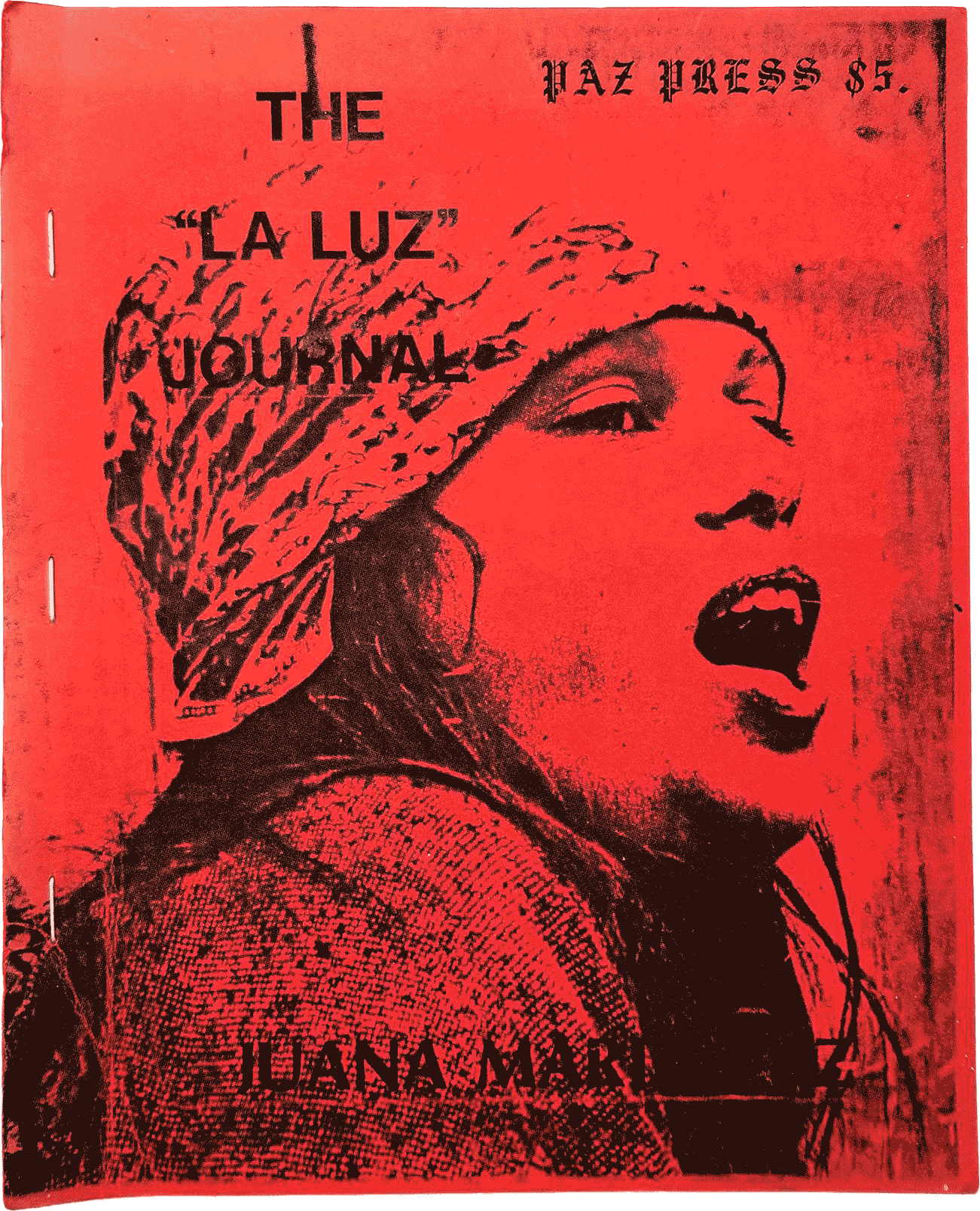
Juana Maria Paz, The “La Luz” Journal, published by Paz Press, 1980. [via Boyd Used & Rare Books]
It’s not common knowledge that for several decades at the end of the last century, Southern Oregon was the heartland of lesbian separatism. Midway between San Francisco and Portland, the region is sparsely populated. A cluster of steep canyons forested with Douglas fir, sugar pine, and Pacific madrone are framed by one wild river to the north, the Umpqua, and another to the south, the Rogue. Tucked among the canyons are picturesque pockets of meadowland. Lesbian locals termed the I-5 corridor that cuts through this crumpled topography the Amazon Highway; they sometimes called the hills ‘Mama’s Many Breasts.’
Nestled here was a thriving community of women-owned, women-built enclaves. At the heyday of the movement, from the mid-1970s to the early ’80s, eight separatist collectives flourished in Southern Oregon, with a ninth just south of Portland. Their parcels ranged in size from seven to 150 acres, and were home to anywhere from four to 30 women. Thousands of lesbians visited, from all over the world.…
…Each community was born from the same conviction: Patriarchy had created a destructive, unjust society that needed to be junked. The aim was a mode of living that respected the earth, eradicated class oppression, rejected paradigms of dominance, and regarded female biology as noble, even sublime. From casual nudity to consensus decision-making, the land-dykes overturned assumptions they’d inherited. They built their own houses, invented practices of worship, modified language, and attempted wealth redistribution. They loved each other fiercely, and insisted on a politics that began and ended with that love.
The aim was a mode of living that respected the earth, eradicated class oppression, and regarded female biology as noble, even sublime. At the time of this writing, some of the lands have long since been sold, and some remarkably persist, albeit at much-reduced scale. What, now, can be learned from the tribulations of these women building a new society by hand in the American wilderness? Much has changed in the last 50 years. Uncloseted lesbians are not the anomaly they once were, and elements of the land-dykes’ environmentalism — so unconventional in the 1970s — are now accepted truths. Queer identity remains indelibly associated with cities, to the degree that rural exceptions are easily sidelined. Gender-exclusive alliances, once so liberatory, now seem less so. The separatist legacy is sullied by some separatists’ antipathy towards trans women.
Long article from Maui Surfer:
placesjournal.org/article/on-wimmins-land-the-heartland-of-lesbian-separatism