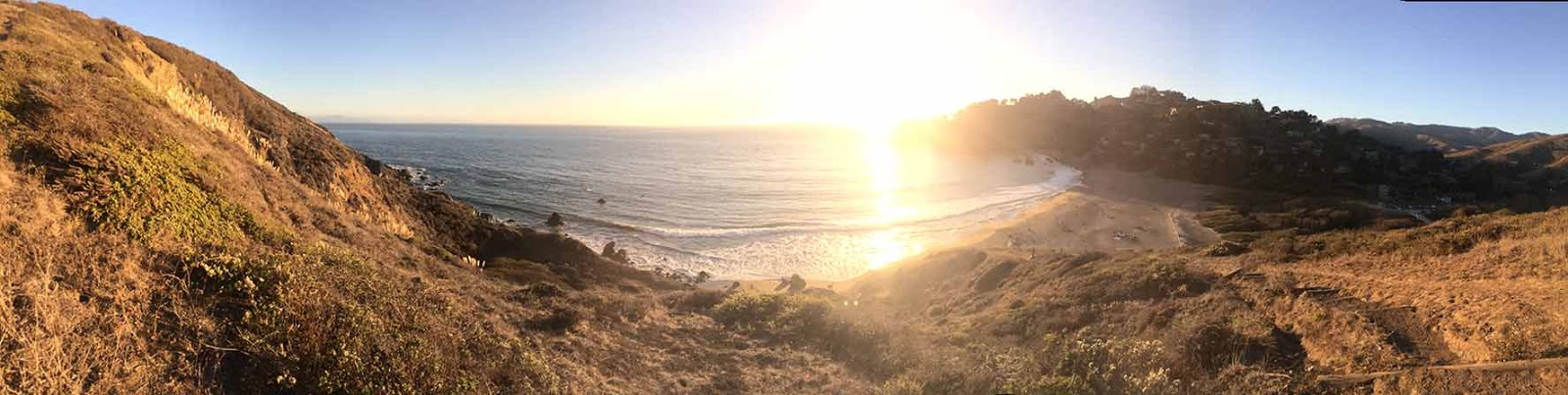
We got back yesterday from a week on the (small) Isle of Eigg. So much has happened that I’ve had little time to write and/or post photos about it. Tomorrow night (Tuesday, May 10), I’m doing a presentation at Kircaldy Galleries, titled “50 Years of Natural Building,” chronicling our building books from Shelter in 1973 up to the present. It’s been sold out for a few weeks.
I had a trial run Wednesday night in the community center on Eigg, about 30 people (half the population of the island). A ton of kindred spirits on the island.
I ended up shooting photos of the (very different) homes of 2 builders: Damien Helliwell and Karl Harding, which will go into the Small Homes book.
Eigg is one of a group of 4 islands referred to as The Small Isles, in the Inner Hebrides. It’s off the west coast of Scotland, reachable by a ferry from the fishing port of Mallaig.
We could live here, and I can’t say that for many places in the world.
So much to tell, so little time. Some photos
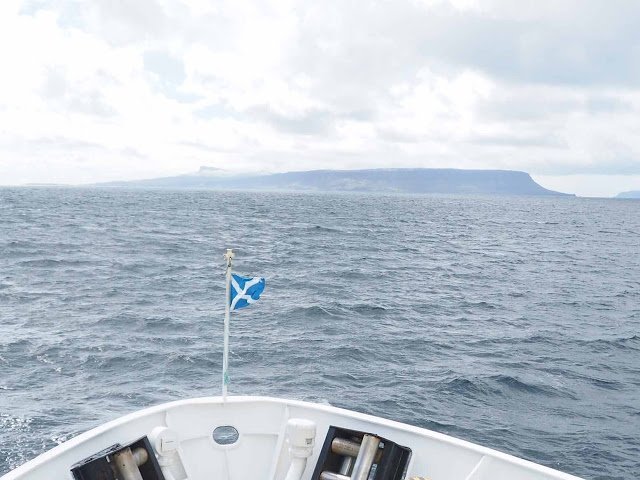 Isle of Eigg from Ferry
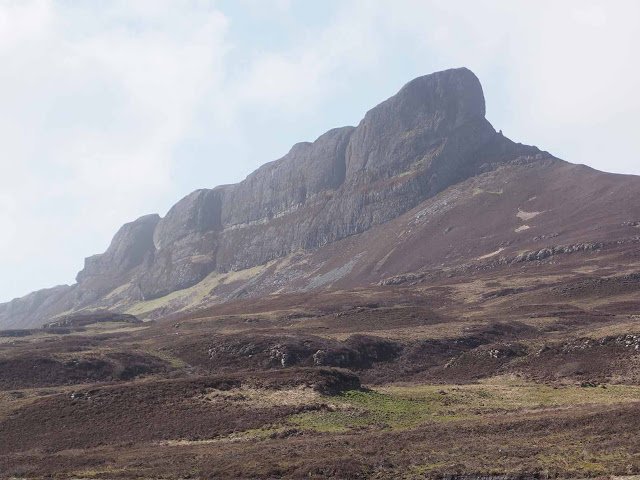 The Sgurr of Eigg
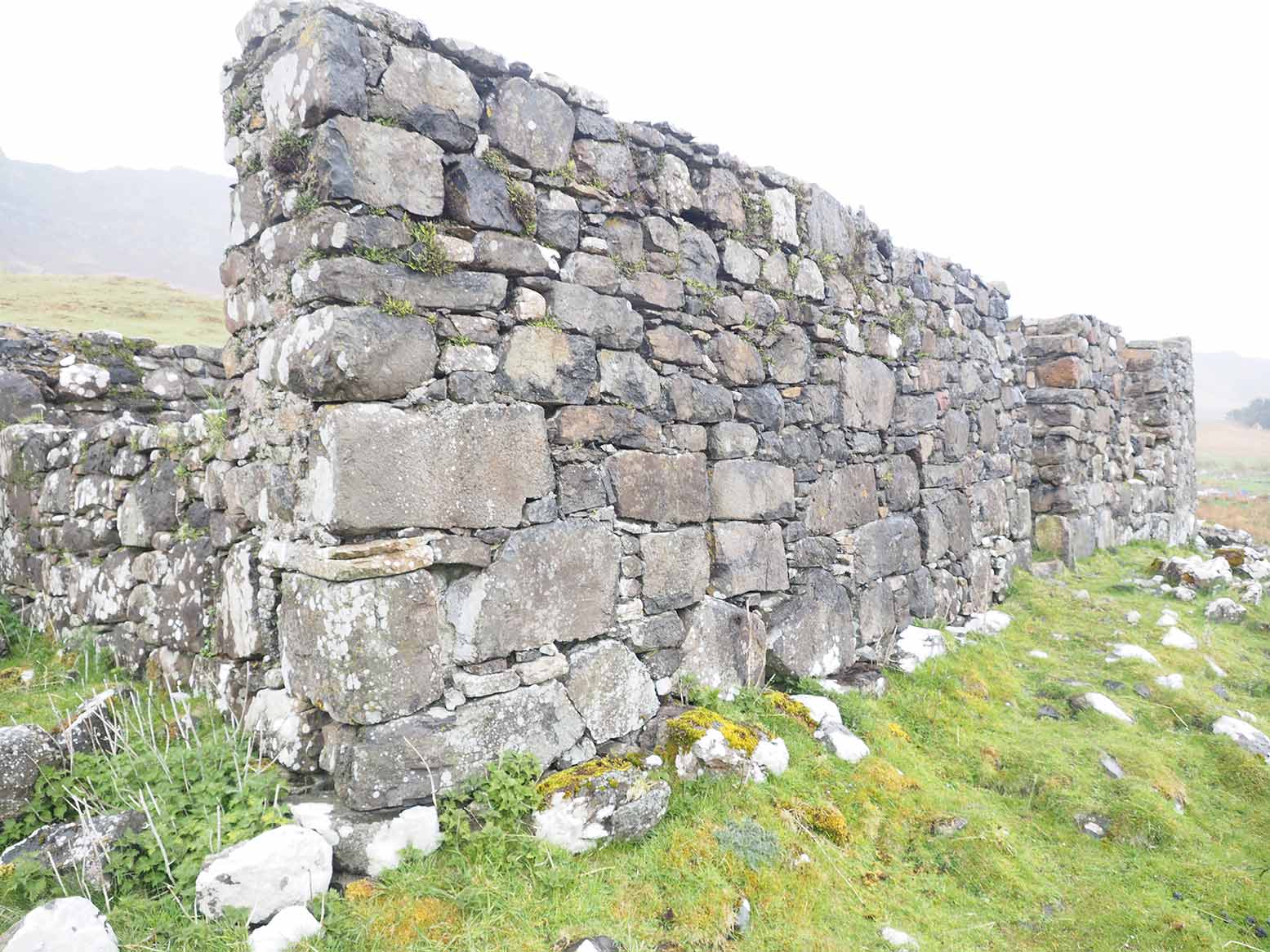
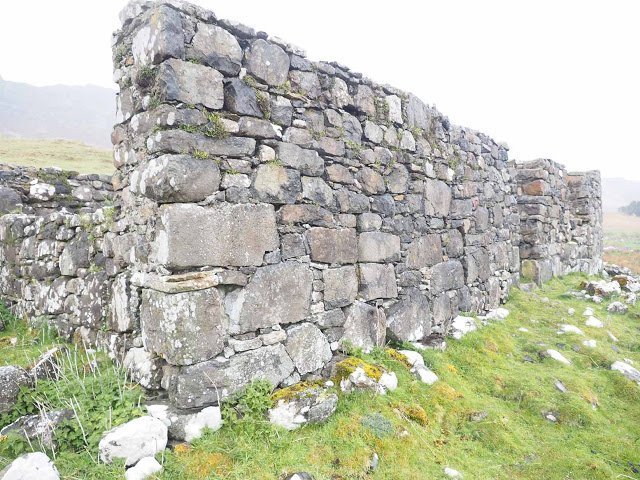 Ancient stone masonry
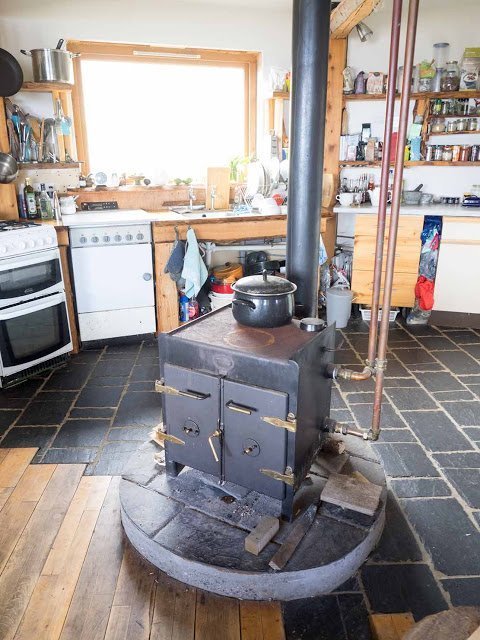
Stove in Karl’s round house
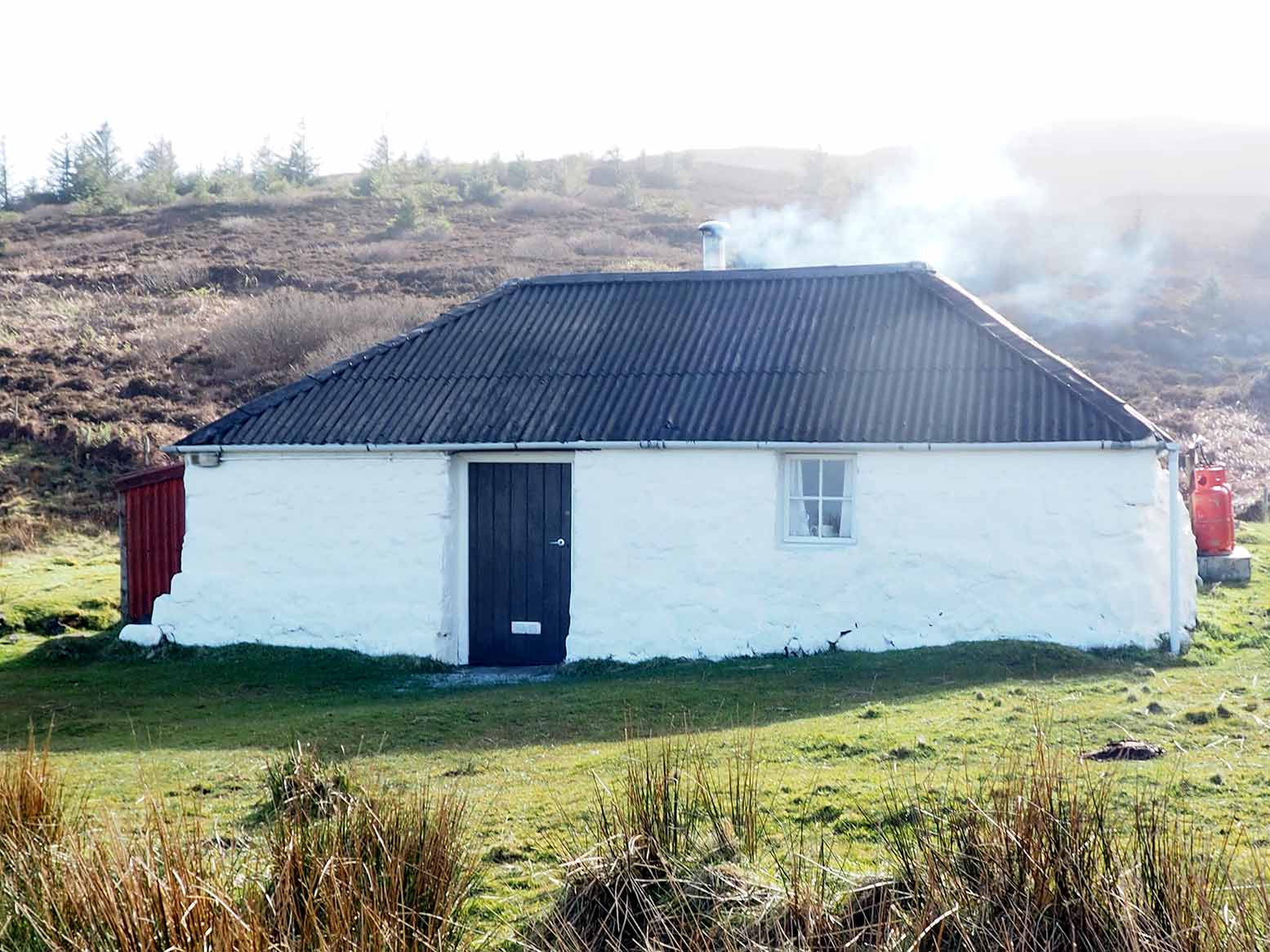
 Shepherd’s bothy (hut)
Note:I’m not going to be so specific about where things are out here. I’ve seen too many small towns wrecked (or forever changed) by getting too much attention.
 Conjunction of Four
Sunday was the Spring Equinox (also Evan’s birthday).
Monday was Bach’s birthday.
Tuesday I left home at 6 AM for points north.
Wednesday (today) is the full moon.
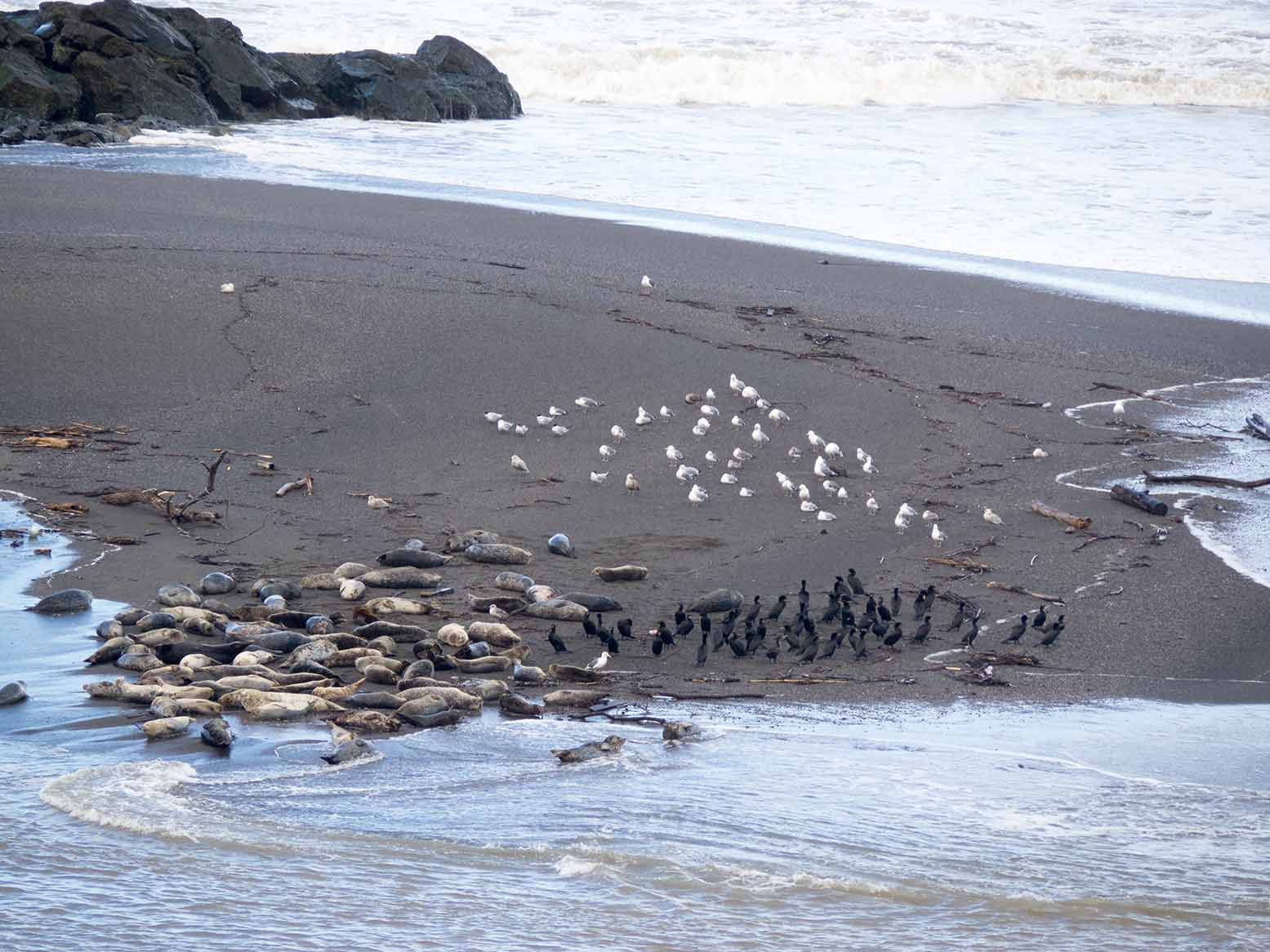
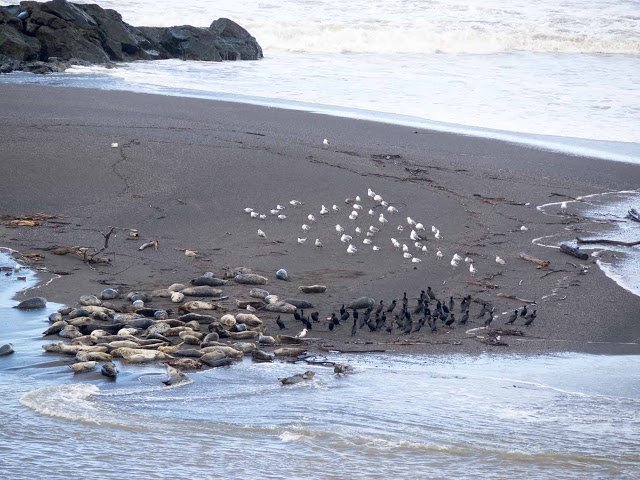 Seals cormorants, seagulls at Jenner rivermouth
It was a spectacular drive along the coast. Clouds, rain, sun, mist, fog, along with thundering surf. Hills are the greenest of green. Cows, sheep, goats, horses grazing happily.
Music: “I just dropped into see what condition my condition was in by” the Launderettes
“You can have my husband, but please don’t mess with my man,” by Koko Taylor
“Look how me sexy,” reggae, by Linual Thomson…

This morning I’m at Trink’s, a fabulous breakfast/lunch/latte/homemade pies/good wi-fi cafe in the town of Gualala. Light blue sunny sky with wisps of high clouds. I sort of have roots on this part of the coast: my dad and his family used to camp at an abandoned lumber mill on the Gualala river in the early 1900s, and go fishing.
Yesterday Louie and I headed north to Queenie’s for pumpkin/pecan waffles w/ whipped cream breakfast, then wandered around in Mendocino, then explored Fort Bragg, which hasn’t yet succumbed to cloying cuteseyness (as has Mendocino).
I’m heading home now, just picked up a freshly-killed grey fox on the road, going to skin him, along with another fox (brought me by a friend) in my freezer. I end up with a beautiful skin, and a (usually) perfect skull.
I’ll put up a few photos from this 3-day trip before heading south…
Very short videos (1-3 minutes):
Subterranean Breakfast Nook
https://vimeo.com/62648661
Skateboarding down windy road to ocean
https://vimeo.com/89767441
Driftwood Cabin
https://vimeo.com/62648659
Camping Rafts
https://vimeo.com/62648658
Adventure Playground
https://vimeo.com/62648657
 This poster by National Geographic really struck me. The migration to Hawaii by Marquesas Islands sailors somewhere between 300-800 AD in open sailing canoes, along with plants and animals. When you look at this map of South Pacific Islands, you see what a feat that was. No GPS.
I had an interesting talk yesterday with my neighbor John Washington, who has sailed in this part of the world. How did these guys sail 2500 miles and land on the Hawaiian islands, which are way out in the ocean away from everything else? We concluded they combined many skills: astronomy, direction of swells, winds, birds and fish; intuition…
Somewhere I read that Polynesian navigation knowledge was passed along in oral tradition from navigator to apprentice, partly in song.
It caused me to reflect on my Euro-centric education. Western Civilization was required for Stanford freshmen when I went there. Nothing about China, India, the South Pacific, Buddhism, Zen, the great Khmer civilization, the Taoists, Chi Gung, the concept of chi… (Part of consciousness-expansion in the ’60s was discovery of the rest of the world’s civilizations and practices.)
So here I am looking westward. It caused me to take another look at Henrik and Ginni’s 6800-mile sailboat journey from Cabo San Lucas, Mexico across this archipelago of islands. It’s covered with lots of photos on 6 pages in
Tiny Homes on the Move (pp. 156-61).
The Tahitians arrived around 1200 AD and things got brutal. Cook arrived in the 1700s.
It’s fascinating history.
Read More …


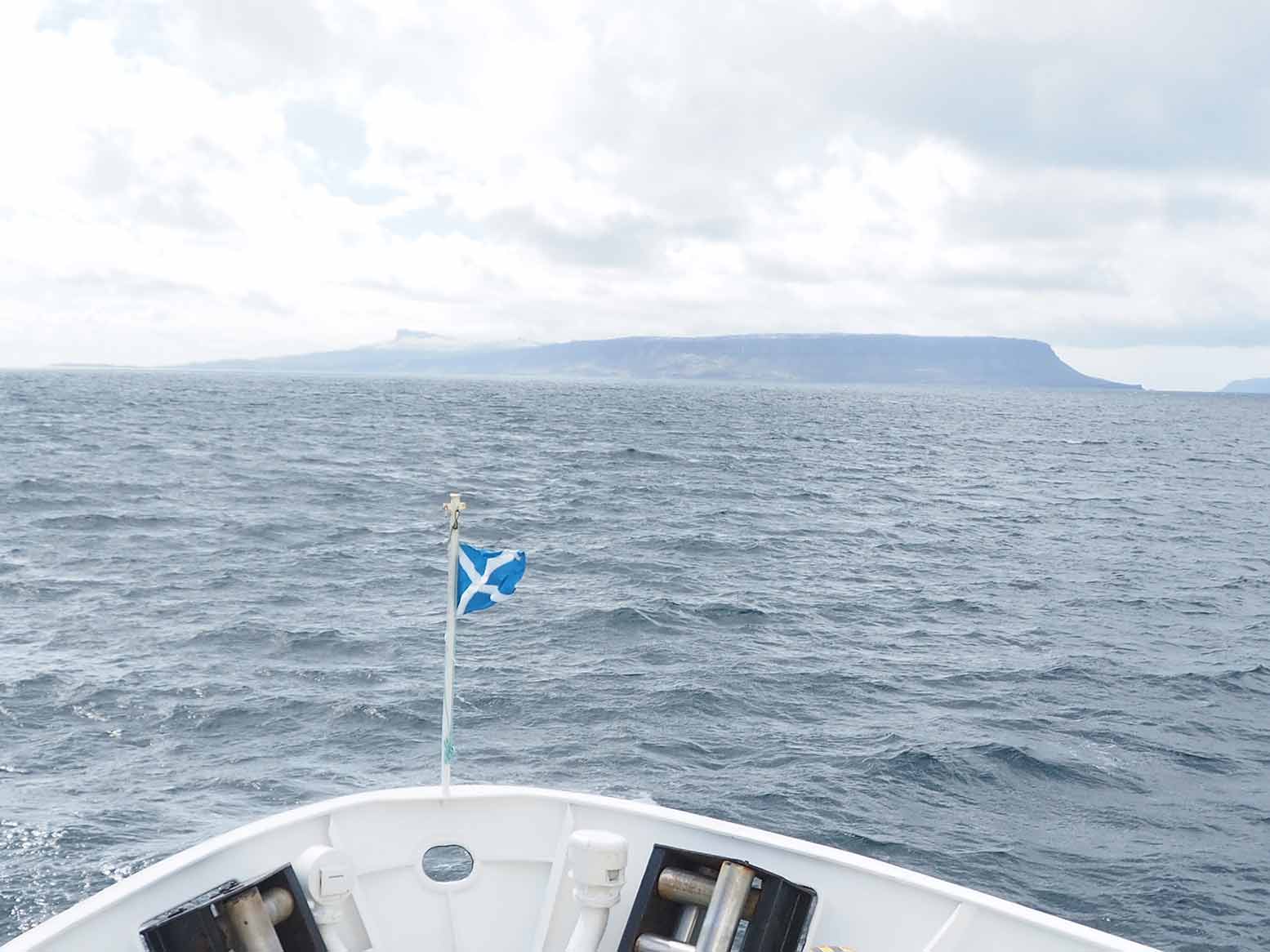 Isle of Eigg from Ferry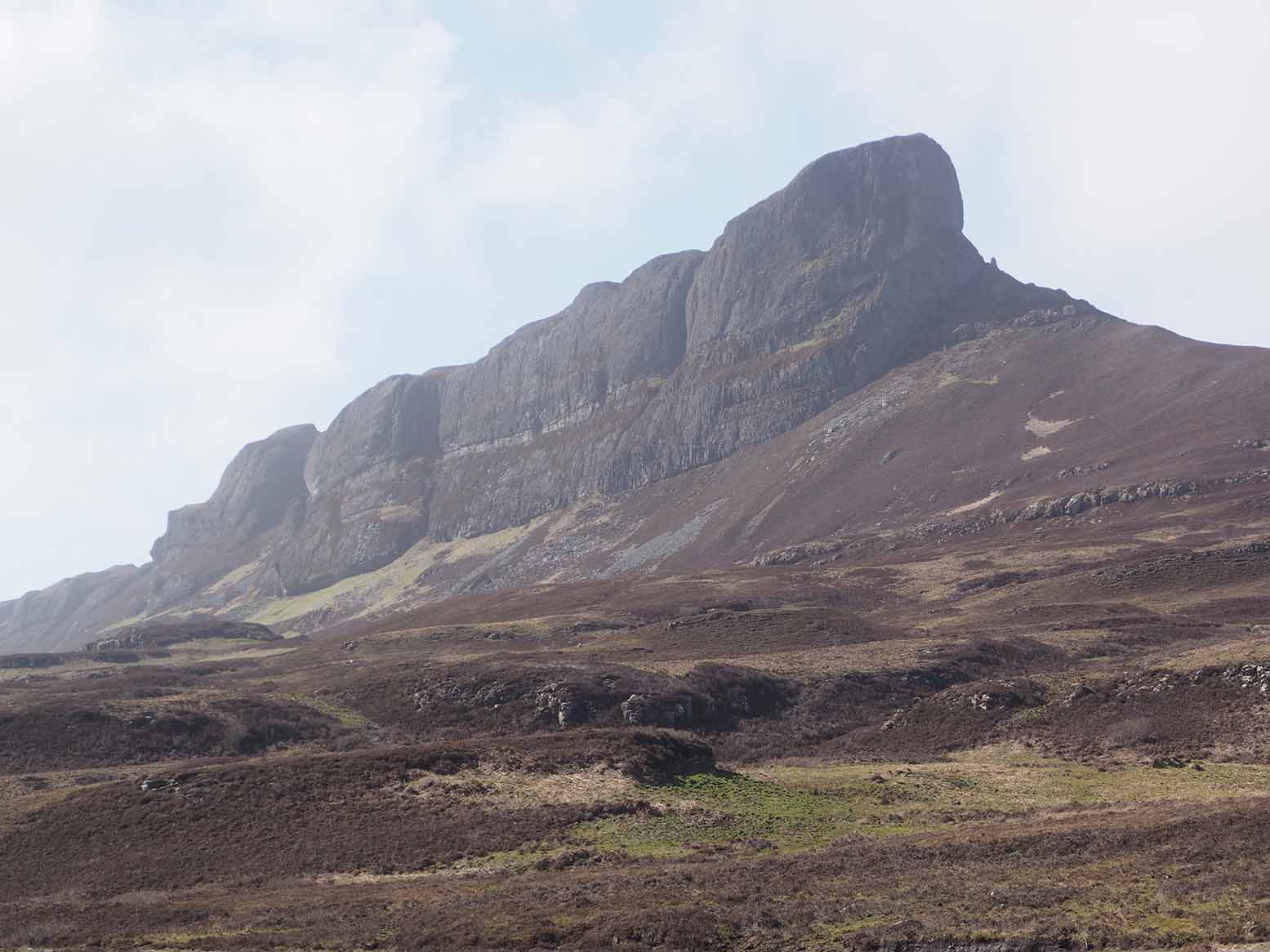

 Shepherd’s bothy (hut)
 Seals cormorants, seagulls at Jenner rivermouth