These nests are pyramidal, about 3 feet tall, all over in the woods around here. Woodrats are kinda nice critters, compared to disgusting Norwegian city rats. They’re like big mice, live communally, are craftily smart at getting bait off traps without springing the trigger. The ones around here are dusky-footed woodrats, often called “pack rats,” have white belies, and bigger ears and eyes than city rats.
They are herbivores and according to Andrew Santos:
“Their lodges are architectural marvels with many entrances and lookouts. Ans interior rooms that service nests And pantries. They generally live solo in a matriarchal society of several lodges, comprising neighborhoods. Nests can get 6 to 8 feet tall.”
–From Homegrown: A Year in the Life of a Humboldt County Guerrilla Grower

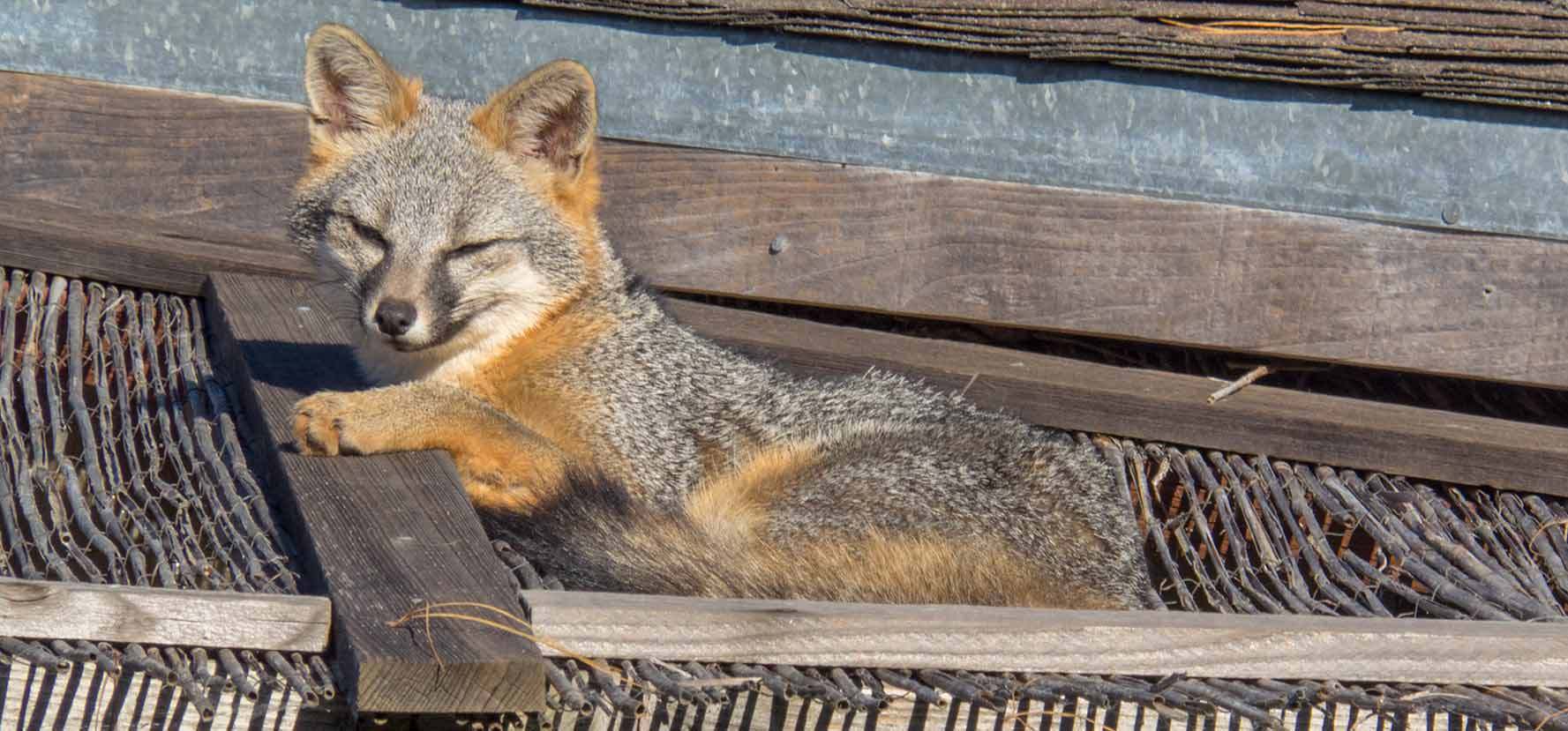
Dozing fox on roof of garden shed. (I’m starting to post photos from our forthcoming book, Handmade: The Half Acre Homestead).
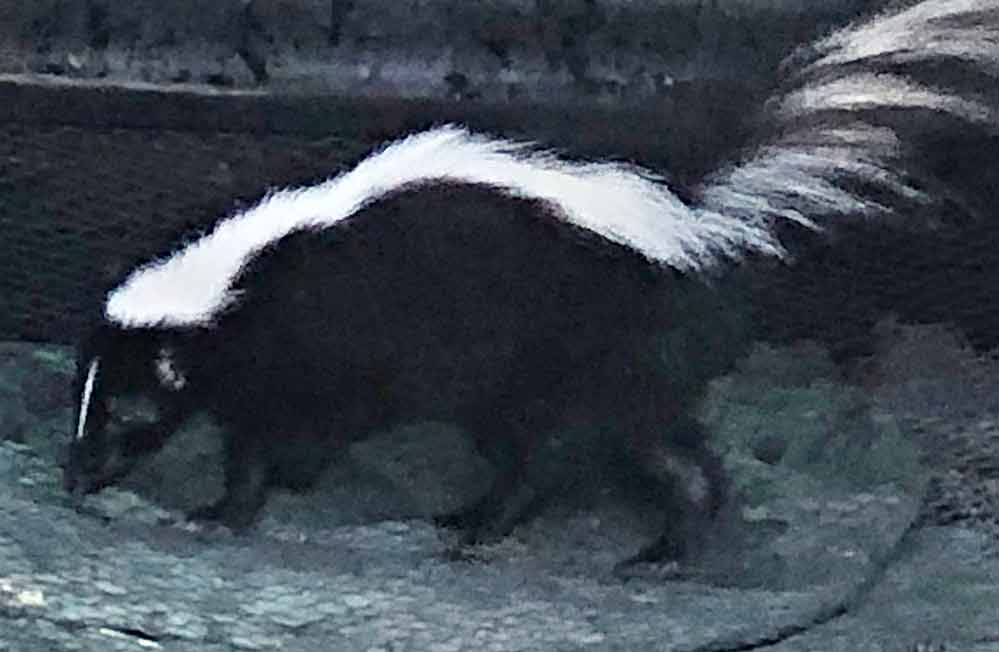
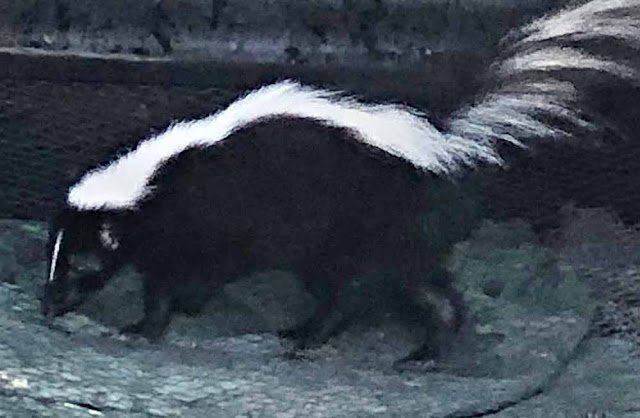 First skunk I’ve ever seen in garden in daylight. I’ve trapped a bunch of them over the years—tricky procedure—only when they impinge rudely. Was going to trap this guy because he’s been hassling chickens, but am now wondering if I can befriend him. We”ll see. Beautiful little critter.


Reconstructed chapel at Fort Ross, Russian fur trapping post in the 1800s

Straight-line eaves on old barns indicate solid foundations. This one on road from Navarro to Boonville.
These nests are pyramidal, about 3 feet tall, all over in the woods around here. Woodrats are kinda nice critters, compared to disgusting Norwegian city rats. They’re like big mice, live communally, are craftily smart at getting bait off traps without springing the trigger. The ones around here are dusky-footed woodrats, often called “pack rats,” have bigger ears and eyes than city rats.


Hi Lloyd and Lew,
I just wanted to let you know that Rocky Mountain PBS premiers the
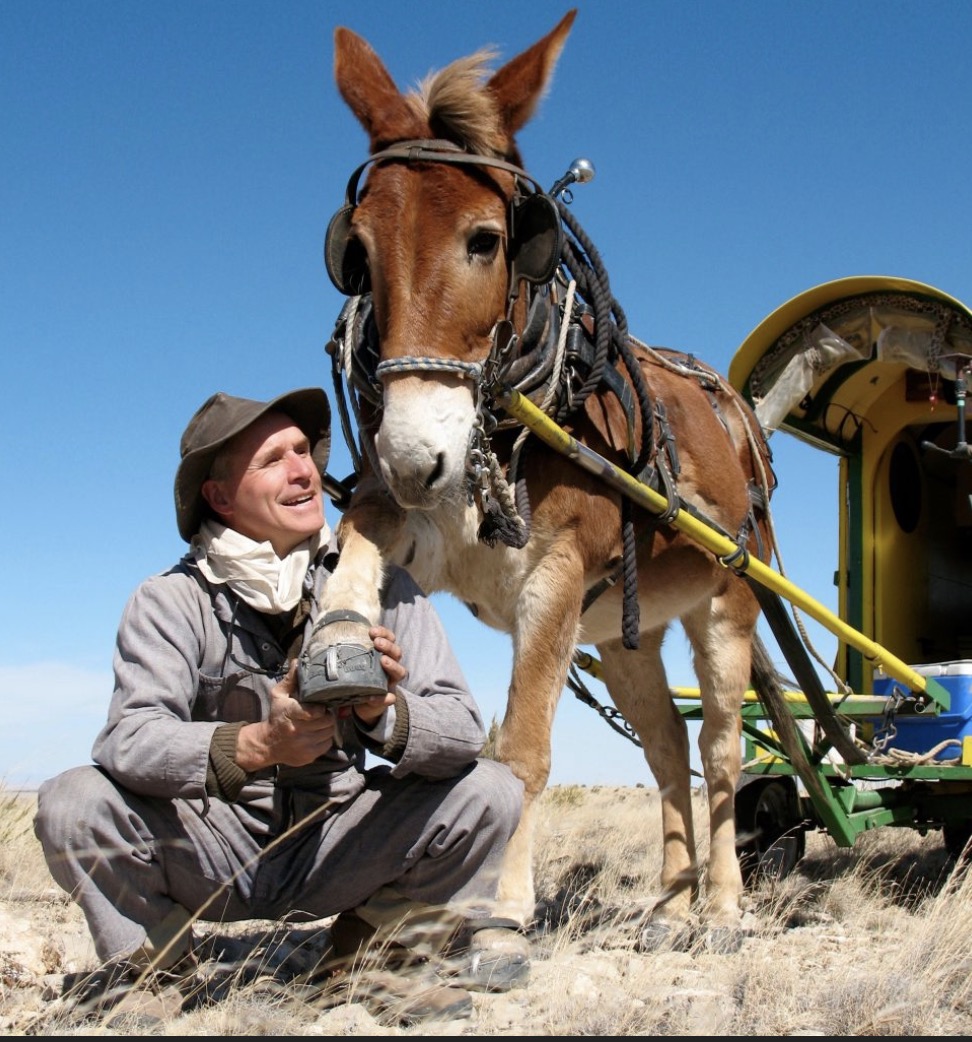
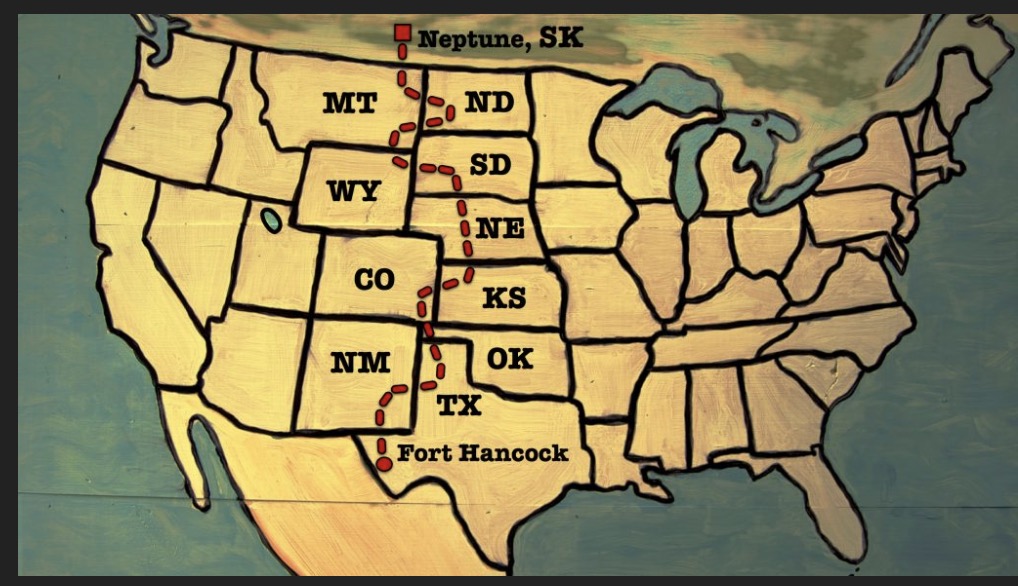
Lost Sea Expedition series January 4th. The series will also stream on Amazon and Vimeo. The story about this tiny wagon voyage across America featured in
Tiny Homes (pp. 188–189). I think this info would really interest
theshelterblog.com readers.
Read More …
Tags: adventures, animals, camping, exploring, off-the-grid, on the road, roadtrip, tiny homes, tiny homes on the move, trailers, travel

“…The wildness is a deception. Scattered in nearly every vista of Mongolia are the round white tents of nomads. We know these tent houses as yurts; they call them ger (pronounced gair). They are the primary home to about 1 million nomads. Today’s nomads retain a lifestyle relatively unchanged from that of their forebears in important ways. Living as I do—in a world teeming with smartphones and Wi-Fi, smart TVs and self-driving cars—it is a remarkable thing to travel among them.
The nomads are herders and typically own about 1,000 animals—mostly sheep and goats, but cows, horses, dogs, camels, and yaks as well. You could think of them as ranchers who move their ranch seasonally. They set up their ger in spring for maximum summer pastures, then they move it again for winter feeding. This movement is not north to south as might be expected, but from lowlands to highlands, or even from open valley in summer to hidden hilly nook in winter to escape the wind, which is more punishing than the cold.…”
-Kevin Kelly