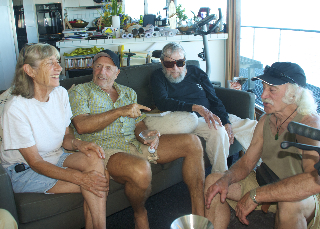

1960, me (at left) and my Stinson beach lifeguard friends in Mill Valley about to take off on a surfing trip to the Point Reyes Peninsula in my 1937 Chevy (with square-cut gears) truck. This was a few years before everything started to change.
Getting It Wrong…
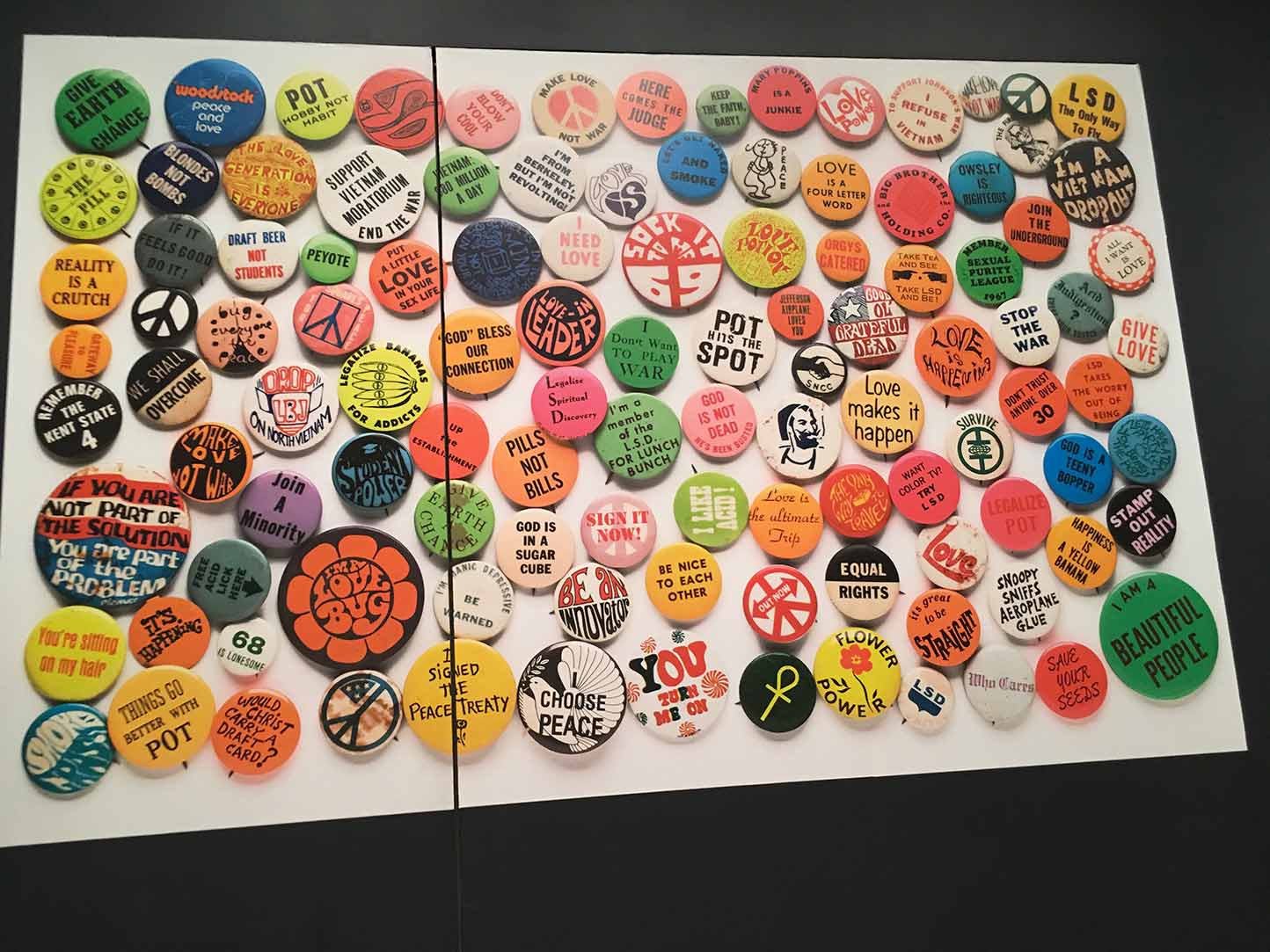
In 2017, there was a media blitz on “The 50th Anniversary of the Summer of Love.” There were TV shows, magazine and online articles, and museum exhibits on what supposedly took place in San Francisco in the summer of 1967.
I read all these stories and articles, watched the films, went to the exhibits, and was puzzled. This wasn’t the way I saw it, and I was there. There were a bunch of things wrong with all this coverage:
What the ’60s Wasn’t
- The “summer of love” was a disaster. An estimated 100,000 kids trekked to San Francisco, most of them looking for drugs, sex, and rock and roll. A lot of them inspired by the lame song about wearing flowers in your hair if you came to San Francisco. The city wasn’t prepared for the inundation; the Haight-Ashbury neighborhood was overwhelmed. There wasn’t enough food, housing, or sanitation for the influx. Things deteriorated rapidly.
- Secondly, the Haight Ashbury district wasn’t the ’60s.
“The Haight-Ashbury was a neighborhood. The ’60s was a movement.”
–Ken KeseyKesey nails it here, as he did so often. The media has focused on the Haight-Ashbury, since it’s been so well documented, and it’s easy to interview people who were there.
But the ’60s was about much more than the Haight, it was about a lot more than rock and roll and smoking pot and living in old Victorians in San Francisco.
It was nationwide, arguably worldwide, and it encompassed a staggering variety of subjects and events and changes.
- Most of the books, films, articles, and exhibits about the ’60s are by people who weren’t there — second-hand accounts.
My first thoughts were that these versions didn’t reflect what really happened.
Read More …