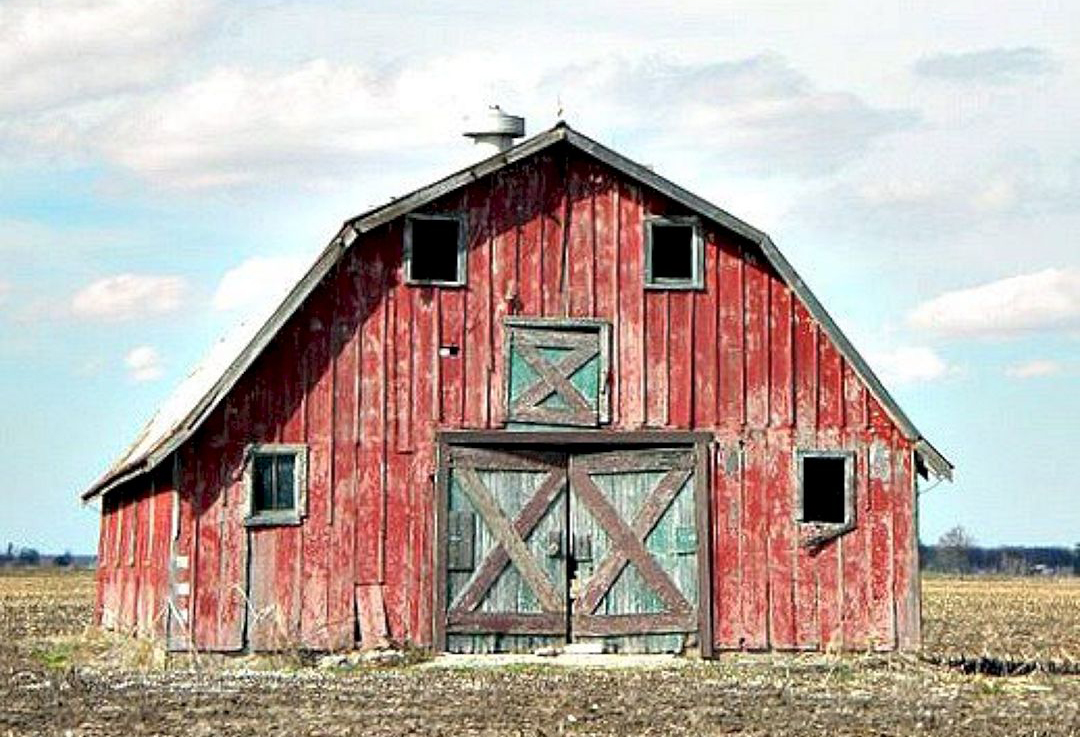
Kirsten Dirksen continues her amazing repertoire of videos. She must have made hundreds of them by now, many of tiny homes, nomads, and hand-built housing.
Kristen Dirksen’s Latest Videos
Post a comment

Kirsten Dirksen continues her amazing repertoire of videos. She must have made hundreds of them by now, many of tiny homes, nomads, and hand-built housing.
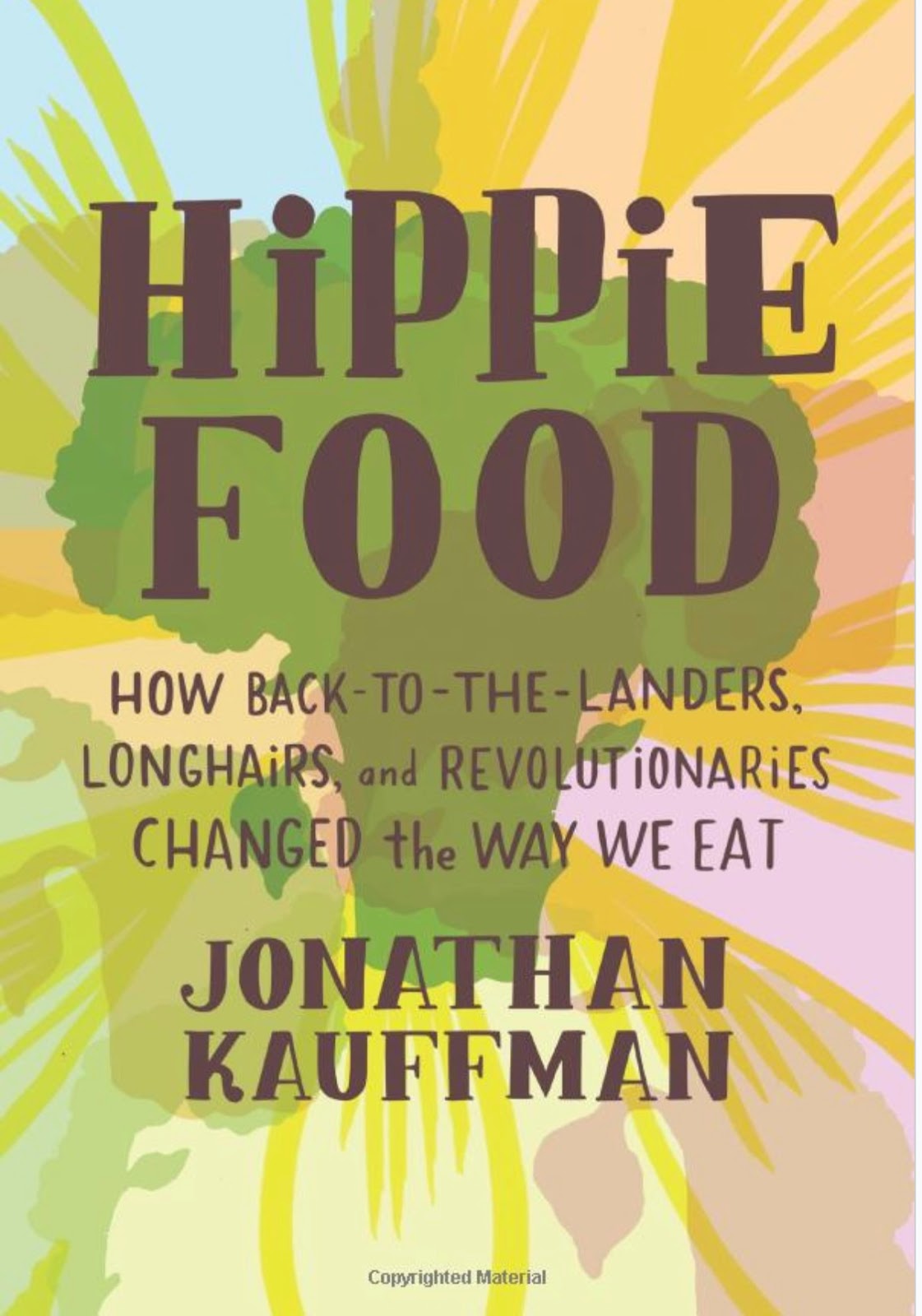 HIPPIE FOOD
How Back-to-the-Landers, Longhairs, and Revolutionaries Changed the Way We Eat
By Jonathan Kauffman
344 pp. William Morrow. $26.99
Review in today’s NYTimes by Michael Pollan
For a revolution that supposedly failed, the counterculture of the 1960s and early 1970s scored a string of enduring victories. Environmentalism, feminism, civil and gay rights, as well as styles of music, fashion, politics, therapy and intoxication: In more ways than many of us realize, we live in a world created by the ’60s. (Though, as our politics regularly attest, some of us are rather less pleased to be living in that world than others.) Jonathan Kauffman’s briskly entertaining history, “Hippie Food,” makes a convincing case for adding yet another legacy to that list: the way we eat.
Kauffman has more in mind than the menu items that the ’60s served up: the tofu, tempeh and tamari, the granola and yogurt, the nut loafs and avocado sandwiches on whole wheat bread with their poufs of alfalfa sprouts that “smell as if a field of grass were having sex”; hard as it is to imagine now, all of these foods were radical novelties before 1970 or so. But the counterculture transformed much more than the American menu; it also changed the way we grow our food and how we think about purchasing and consuming it. “Eating brown rice was a political act,” he writes, just as much “as wearing your hair long or refusing to shave your armpits.” How this curious idea came to seem right and true (and to outlast the hairy armpits) is the historical question at the heart of “Hippie Food.”
Kauffman, who was born in 1971, comes at his subject as a child of children of the ’60s: He grew up on brown rice and quite likes it. A former line cook and food critic in the Bay Area, Kauffman is now a reporter for the food section of The San Francisco Chronicle, and his book is the work of an enterprising journalist who has interviewed many in the cast of hippie farmers, cooks, communards and food artisans who together forged what Kauffman asks us to regard as a new and “unique, self-contained cuisine.”
“The food Americans were eating in the mid-1960s resembled nothing that any civilization on Earth had ever eaten before,” Kauffman reminds us. By then, a series of food-processing innovations developed during World War II — powdered soups and juices, cake mixes, dehydrated coffee, etc. — had infiltrated American food culture, which lacked the deep roots that might have allowed it to withstand the influences of marketers, faddists, kooks and ideologues of every stripe. Americans, Kauffman notes, have long displayed “a queer eagerness to abandon the culinary wisdom of the generations that preceded them.” In the ’60s that meant eating things your parents had never heard of; if they ate white bread, you ate brown.
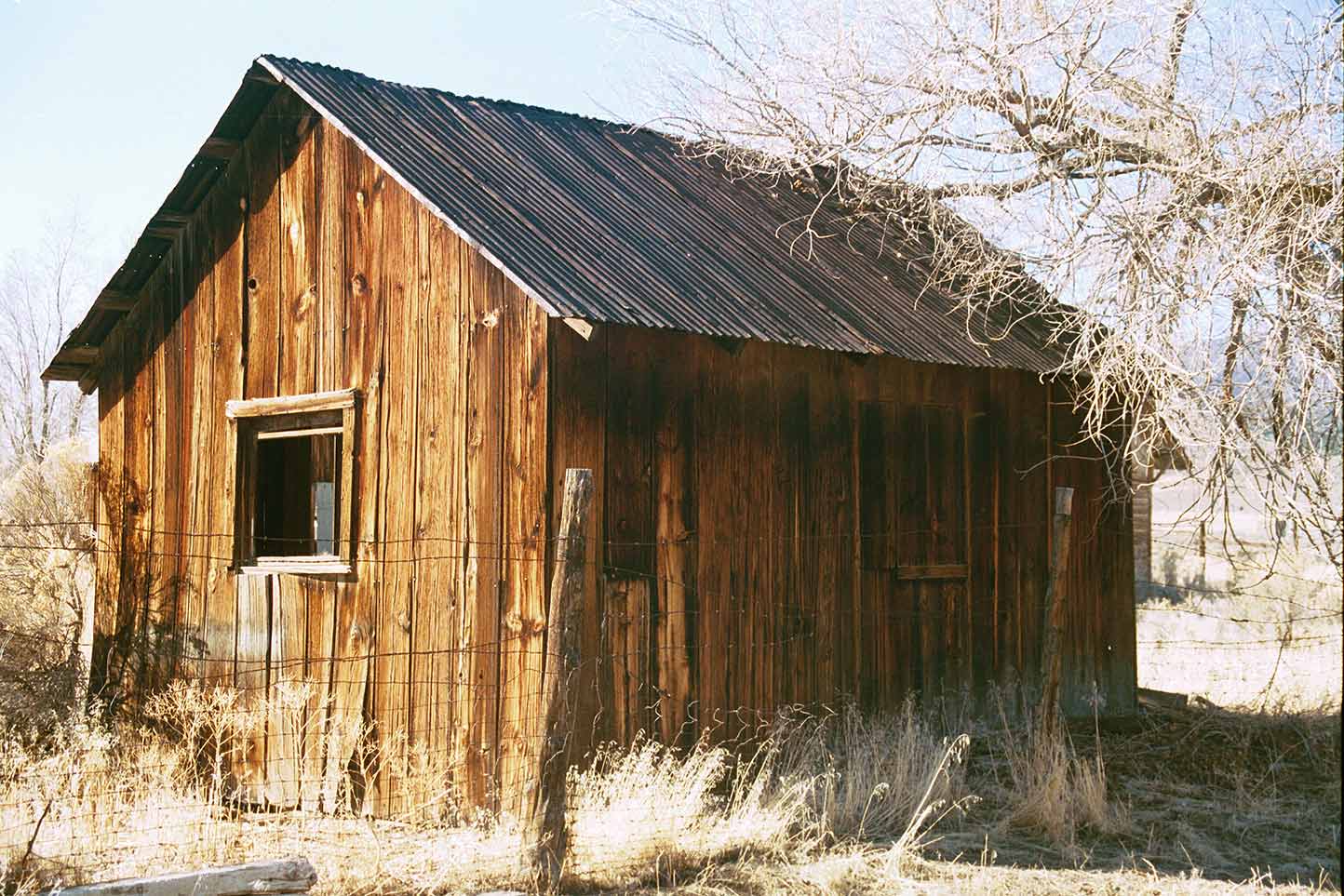 I’ve been going through old photos. This was taken in 2002 in Nevada, on a trip with Jack Fulton. I like the proportions of this little building (not to mention the color of the wood).
 Note details: curved-out section above upper windows, little overhang at midway point, curve at bottom of rafters. Needs to be reshingled, but the bare bones are there. Architects take note: the elegance of simplicity.
 On the sidewalk out in front of the Castro Theater in San Francisco
 Coit Tower, 230-foot Art Deco monument built in San Francisco in 1933.
It’s at the top of Nob Hill and built of unpainted reinforced concrete.

Came across the ever-beautiful Golden Gate Bridge 6:30 this morning, in my 19-year-old incredibly luxurious Mercedes E320, latte at my favorite North Beach cafe, listening to my fave DJ, Michael de Barres on Sirius radio (forever indebted to Lew for Sirius), the Underground Garage station, Michael an English rocker (and musician) who plays bad-assed rocknroll…Bon Jovie: Runaway; Aerosmith: Walk This Way; Billy Idol: “Rebel Yell;” Dire Straits: Money For Nothing.…The Marvelous Mrs. Maisel (Amazon Prime) is really marvelous. The first 3 episodes are radiantly funny, Rachel Brosnahan is brilliant…it can’t maintain that level, but the other 5 episodes are still worth watching…A few nights ago, we came across a White House event: “Smithsonian Salutes Ray Charles: In performance at the White House.” I looked at the Obamas and almost cried. This elegant, soft-spoken, soulful man, and his strong, beautiful, soulful wife.…On the drive in this morning, I thought about seeds. Years ago, in planting carrot seeds, I thought: I’m putting these seeds here, information packets that tell the natural world how to organize ands coordinate soil, water sunshine and air and – voilá – carrots. Milagro!…Through our building books, we have lots of fans. I try to think how big a group this is. Smaller, for sure, than the minimalist, sterile Dwell magazine crowd.…Probably, what we (our group) have in common is the desire to use hands in creating shelter, and (some) food. Maybe we’re the Handmade Homemade group…I’m kind of excited to start a blog on the ’60s. What didn’t work as a book may work online. Think about it: you read a book right-to-left — it’s linear. Online you’re going up and down; you can hop around at a click. This may be the way to convey my take on the ’60s. Tossing things out there in not necessarily linear order. Feedback could be great. Hey, family of kindred spirits out there, send comments with your ’60s experiences (blog should be up and running by early March)…Fun to practice 3-dot journalism. Non-linear…Now out to make the rounds in this vibrant and beautiful city…Leather store for copper rivets/plumbing/hardware search for 10MM tubing for blowgun/art store for pen to do hand lettering on our next short-run color book, Pop’s Diner — stay tuned; delivering 12 copies of our new Driftwood Shacks book to Mollusc Surf Shop, to Trouble Coffee, check out Outerlands restaurant/go swimming in cove (Aquatic Park)/Irish coffee, watch surfers through windows at Cliff House…Once Bitten, Twice Shy by Great White now playing…